

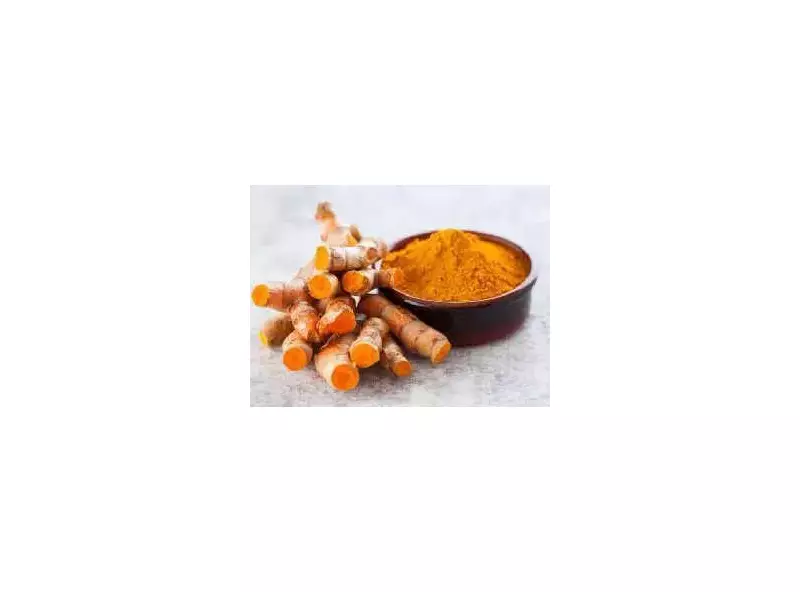
A unique variety of turmeric from Bihar, celebrated for its exceptionally high medicinal compound content, is poised to enter the prestigious league of Geographical Indication (GI) tagged products from India. The ‘Rajendra Sonia’ turmeric, grown extensively in Samastipur district, boasts a curcumin content of 7 to 8 percent, which is even higher than the renowned GI-tagged Lakadong turmeric from Meghalaya.
A Golden Opportunity for Bihar
This revelation comes from a comprehensive policy paper titled “Harnessing the potential of turmeric – the ‘golden spice’ in the state of Bihar”, released by the Rajendra Prasad Central Agricultural University (RPCAU). The document was unveiled during the university's three-day research council meeting held at Pusa. It presents a strategic framework to elevate turmeric cultivation in the state, focusing on sustainable value chains that can increase farmer incomes and create jobs.
The paper highlights that Samastipur district, already identified for turmeric under the central government's ‘One District One Product’ (ODOP) scheme, possesses immense potential in both yield and curcumin quality. With the recent formation of the National Turmeric Board (NTB) in 2025, the national focus on this spice has intensified. India, the world's largest producer and exporter, aims to double its turmeric production to 20 lakh tonnes over the next five years from the 2024–25 output of 11.16 lakh tonnes.

Curcumin: The Key to Global Market Value
In international trade, the curcumin content is the primary factor determining turmeric's price and demand. Global buyers actively seek varieties with curcumin levels above 5 percent, with premium prices reserved for higher concentrations. The 7-8% curcumin in Rajendra Sonia (with the Indian Institute of Spice Research noting it can reach up to 8.4%) places it in an elite category, giving it strong export potential.
Ritambhara Singh from RPCAU's agribusiness management department and the paper's lead author, emphasized this point. She noted that India exported 1.17 lakh tonnes of turmeric in 2024 and seeks to expand its global footprint further. Promoting high-yielding, high-curcumin varieties like Rajendra Sonia is crucial for this expansion.
Bridging Potential with Production
Despite having ideal conditions—warm, humid climate and suitable loamy soils—Bihar contributes less than one percent to India's total turmeric production. The Rajendra Sonia variety itself is a high-yielding, short-duration crop, and demand for its seed rhizomes from other states is steadily growing. However, RPCAU faces constraints in meeting this demand due to limited land for seed production.
The policy paper addresses these gaps with a suite of recommendations covering the entire value chain:
- Pre-production: Ensuring quality planting materials.
- Post-harvest: Improving processing, branding, and market linkages.
- Holistic support: Building a robust ecosystem around the crop.
By strategically developing this sector, Bihar can significantly contribute to the national turmeric economy, turning its ‘golden spice’ into a source of golden opportunities for its farmers and economy.






