

Canada's Bold Energy Shift Amid US Trade Uncertainty
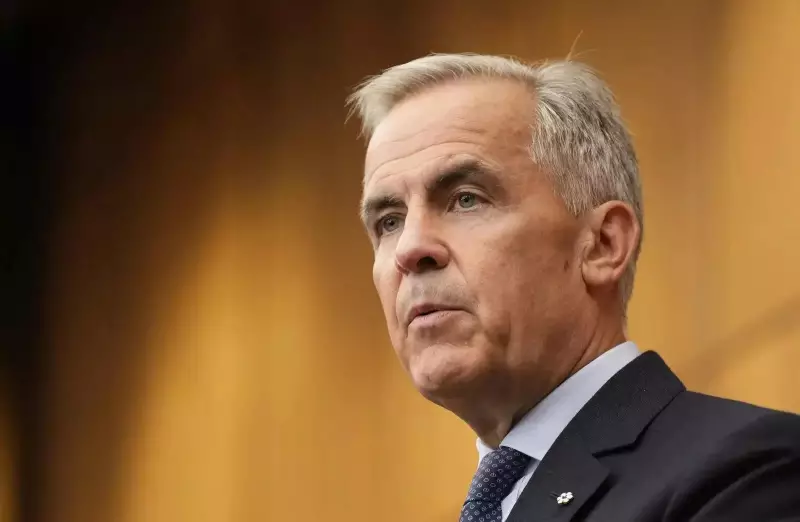
Prime Minister Mark Carney of Canada is implementing a strategic pivot in the country's energy policy to shield the Canadian economy from the damaging effects of US President Donald Trump's tariffs. The move comes as Carney warned that American trade measures could wipe out a staggering $50 billion from Canada's economy, equivalent to $1,300 for every Canadian citizen.
Alberta Agreement: Climate Rules Rolled Back for Economic Growth
In a significant policy reversal, Carney recently signed an agreement with Alberta's premier that removes certain environmental restrictions to stimulate investment in energy production. The deal specifically scraps a planned emissions cap on the oil and gas sector and eliminates regulations concerning clean electricity.
In exchange for these concessions, Alberta—Canada's top oil-producing province—has committed to strengthening industrial carbon pricing and supporting a major carbon capture-and-storage project. The agreement also promotes construction of a new oil pipeline to the West Coast, representing a substantial infrastructure investment.

Diversifying Away from US Dependence
The energy sector overhaul addresses Canada's critical vulnerability: its overwhelming reliance on the US market, which currently absorbs 90% of Canada's oil exports. Speaking at an industry event in Calgary, Carney emphasized the urgent need to develop projects that can spur economic growth while reducing dependence on the United States.
"The uncertainty created by US tariffs poses a significant threat to our economic stability," Carney stated, highlighting the comprehensive strategy to protect Canadian interests through energy sector transformation.
Political Fallout and Environmental Concerns
The controversial energy deal has generated mixed reactions across Canada's political landscape. While the country's oil industry has welcomed the policy shift, environmental advocates have expressed strong opposition. The tension has already created rifts within Carney's minority government.
In a dramatic protest against the new direction, Steven Guilbeault—who served as environment minister under Carney's predecessor Justin Trudeau—announced his resignation from the cabinet. Guilbeault cited serious concerns that Canada's climate plan was being systematically dismantled.
Despite relaxing environmental restrictions implemented during the Trudeau administration, Carney has reaffirmed his government's commitment to achieving net-zero carbon emissions by 2050, attempting to balance economic priorities with environmental responsibility.
Additional Trade Measures Implemented
Recognizing that a trade resolution with the Trump administration appears increasingly unlikely, Carney introduced several protective measures for industries hit hardest by American tariffs. The comprehensive response includes:
- A new 25% tariff on steel products including prefabricated buildings, wire, and fasteners
- Reduced quotas for foreign steel imports
- Lower transportation costs for moving lumber and steel by rail
Canadian officials estimate that approximately 40% of the affected steel products currently originate from the United States, representing a significant countermeasure to American trade policies.
The combined energy and trade initiatives mark a fundamental reorientation of Canada's economic strategy, positioning the energy sector as a crucial buffer against international trade volatility while acknowledging the political costs of such a substantial policy shift.






