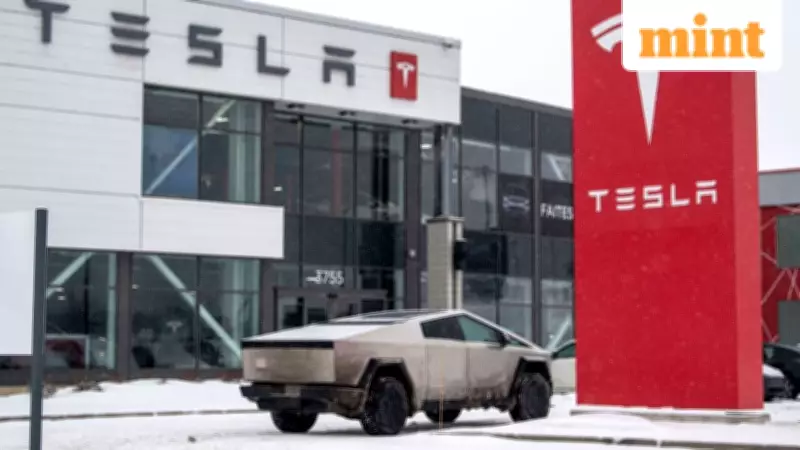
Canada's Chinese EV Agreement: A Potential Catalyst for U.S. Automotive Market Reform
In a significant development for the global electric vehicle (EV) landscape, Canada has inked a landmark trade deal with China, effectively dismantling protectionist barriers in the North American EV market. This strategic move, announced by Canadian Prime Minister Mark Carney, involves reducing tariffs on 49,000 Chinese EVs from 100% to a mere 6.1%, in exchange for China reopening its markets to Canadian agricultural products. The implications of this agreement extend far beyond Canada's borders, potentially serving as a wake-up call for the United States automotive sector, which has long been shaped by subsidies and high tariffs.
Historical Parallels and Market Dynamics
The situation evokes memories of the 1978 Airline Deregulation Act in the U.S., which was inspired by Freddy Laker's low-fare Skytrain service between London and New York. Similarly, Canada's embrace of Chinese EVs could demonstrate the benefits of increased competition, much like how foreign markets have historically influenced U.S. policy reforms. For instance, the global pharmaceutical market's price disparities led to the 2021 Inflation Reduction Act, allowing Medicare to negotiate drug prices.
China currently dominates the global EV market, accounting for 62% of all sales, with BYD as the world's largest producer of plug-in vehicles. Brands like BYD Dolphin and Wuling Mini offer models retailing for under $20,000, even with tariffs, presenting a stark contrast to the U.S. market. In the United States, EVs constitute only about 5% of car sales, with consumers largely confined to high-margin luxury options priced around $60,000. Affordable choices are scarce, with China boasting roughly 130 models under $40,000 compared to just four in the U.S.

Impact on U.S. Consumers and Industry
The entry of Chinese automakers into Canada is expected to significantly improve the EV segment through lower prices and greater variety. This competition may also drive down prices for non-EV vehicles, benefiting Canadian consumers. As a result, Americans across the border might feel envious, especially given the limited affordable options like the Chevy Bolt, which starts at nearly $30,000 and is slated for discontinuation next year.
U.S. policymakers and auto executives, including GM CEO Mary Barra, have expressed concerns that Chinese EVs could erode American manufacturing jobs and undercut sales with government subsidies. Barra described Carney's move as "a very slippery slope," highlighting fears of market disruption. However, a reasonable compromise could involve allowing Chinese automakers to sell in the U.S. under conditions such as local manufacturing, no Chinese government subsidies, and adherence to U.S. security standards.
Potential for Positive Market Transformation
Drawing parallels to the 1980s, when Japanese firms transformed the U.S. automobile market by establishing manufacturing plants that produced high-quality, fuel-efficient vehicles, the entry of Chinese EV makers could have a similarly positive effect. This could incentivize U.S. firms to enhance their price-quality offerings, ultimately benefiting consumers through improved market competition.
Ultimately, Canada's deal with China may pave the way for EV adoption in the U.S. to be driven more by market forces than by subsidies and protectionism. As Clifford Winston, a nonresident senior fellow at the Brookings Institution, notes in his commentary, such foreign market experiments have historically led to constructive changes in U.S. policy, offering a path toward a more competitive and consumer-friendly automotive landscape.