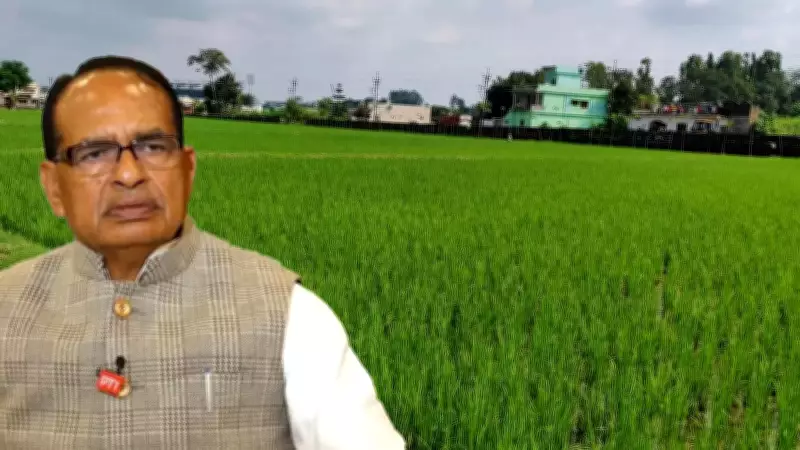
Union Minister Shivraj Singh Chouhan Asserts US-India Trade Deal Safeguards Farmers' Interests
Union Agriculture Minister Shivraj Singh Chouhan has made a significant declaration regarding the interim framework of the US-India trade agreement, emphasizing that it fully protects the interests of Indian farmers. During an interaction with farmers in Sehore district, Madhya Pradesh, on Saturday, Chouhan provided detailed assurances about the government's commitment to agricultural welfare.
Comprehensive Safeguards for Major Crops and Dairy
Chouhan stated that the government has implemented robust safeguards for all major crops and dairy products under the trade agreement. This move aims to prevent any adverse impact on domestic agriculture while fostering international trade relations. The minister highlighted that these protections are designed to maintain price stability and ensure fair competition for Indian farmers in the global market.
He elaborated that the agreement includes specific clauses to shield sensitive agricultural sectors from unfair trade practices. This approach reflects the government's strategy to balance economic growth with the security of rural livelihoods, which are crucial to India's economy.

Expanding Export Opportunities in the US Market
The interim framework is set to create new export avenues for Indian farm produce, particularly for high-value items like basmati rice and spices. Chouhan pointed out that this will enable farmers to access the lucrative US market, potentially increasing their income and boosting agricultural exports. He mentioned that the deal includes provisions to streamline export processes and reduce trade barriers, making it easier for Indian products to compete internationally.
According to Chouhan, this expansion is not just about quantity but also about enhancing the quality and branding of Indian agricultural goods abroad. He believes that such initiatives will help in positioning India as a reliable supplier of premium farm products in global trade networks.
Balancing Protection with Market Access
In his address, Chouhan stressed that the trade deal is carefully crafted to balance protection for farmers with new market access. "There is going to be a lot of benefit for farmers," he said, underscoring that the agreement aims to create a win-win situation. He explained that while safeguarding domestic interests, the deal also opens doors for Indian agriculture to explore untapped markets, thereby diversifying income sources for farmers.
The minister added that this balance is essential for sustainable agricultural development, as it encourages innovation and competitiveness without compromising on food security or farmer welfare. He reiterated the government's focus on ensuring that trade agreements align with national agricultural policies and priorities.
Interim Framework as a Step Towards Comprehensive Bilateral Trade Agreement
India and the United States have announced this interim framework as a preliminary step toward a more comprehensive Bilateral Trade Agreement. Chouhan noted that this framework allows both countries to test and refine trade mechanisms before committing to a full-fledged deal. It serves as a foundation for future negotiations, with the goal of enhancing economic cooperation and mutual benefits.
He emphasized that the interim phase provides an opportunity to address any concerns from stakeholders, including farmers, and make necessary adjustments. This cautious approach is intended to ensure that the final agreement is robust and beneficial for all parties involved, particularly the agricultural sector.
In conclusion, Shivraj Singh Chouhan's remarks highlight the government's proactive stance in securing farmer interests while pursuing international trade opportunities. The US-India trade deal, as per his claims, is poised to bring substantial advantages to Indian agriculture, marking a significant development in bilateral economic relations.