

Jind Farmers Rally Against India-US Trade Agreement, Fearing Agricultural Collapse
In a significant demonstration of dissent, farmers gathered in Jind on Friday to voice strong opposition to the recent trade deal between India and the United States. The protesters issued a stark warning, asserting that granting zero-tariff access to US agricultural products could severely endanger the livelihoods of countless Indian farmers.
Protest Highlights Economic Threats to Smallholders
The farmers articulated deep concerns that the agreement would primarily benefit large foreign agricultural corporations, while imposing the heaviest burdens on small and marginal farmers across India. "If foreign farming is given free access in India, the consequences will be disastrous for Indian agriculture," declared a prominent farmer leader during the rally.
He further announced plans for escalated action, stating, "We are planning a major agitation in Kurukshetra on March 23," signaling a broader mobilization against the trade terms.

Farmer Leader Details Imports and Allegations
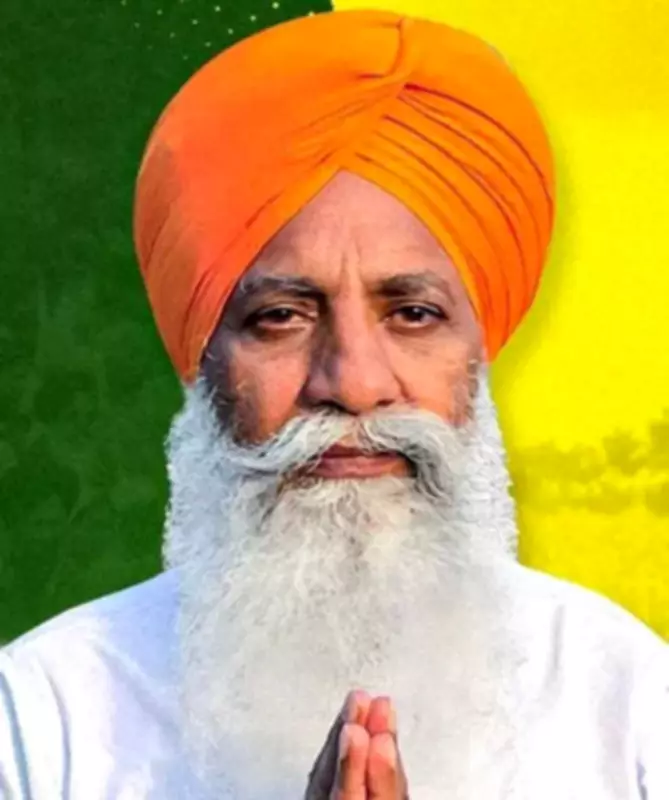
Farmer leader Gurnam Singh Charuni, who participated in the Jind protest, provided specific figures to underscore the scale of the issue. He claimed that goods valued at approximately Rs 45 lakh crore are set to enter India from the United States under the deal. This influx includes a range of products such as pulses, soybeans, dairy items, poultry farm products, and others, all potentially at zero tariff.
Charuni leveled serious allegations against the government, suggesting that the United States had exerted pressure on Indian authorities. "The United States threatened the Indian government, after which Prime Minister Modi bowed down under pressure," he asserted, criticizing the leadership's response.
Structural Disparities and Corporate Dominance Concerns
Highlighting the vast differences between the two nations' agricultural sectors, Charuni pointed out that the United States has a land area seven times larger than India's, yet a population four times smaller. This disparity, he argued, creates an uneven playing field.
"In India, 82% of farmers own less than 2.5 acres of land, whereas even a small farmer in the United States owns thousands of acres. American farmers operate like businessmen," he explained. "If they enter India, the corporate system will dominate, and local farmers will be ruined."
In a concluding remark, Charuni expressed a dire prediction: "Prime Minister Modi is afraid of the United States and has surrendered. If American grain enters India tax-free, neither Indian farming nor Indian farmers will survive." The protest in Jind thus stands as a poignant call to action, emphasizing the urgent need to protect India's agricultural backbone from perceived external threats.






