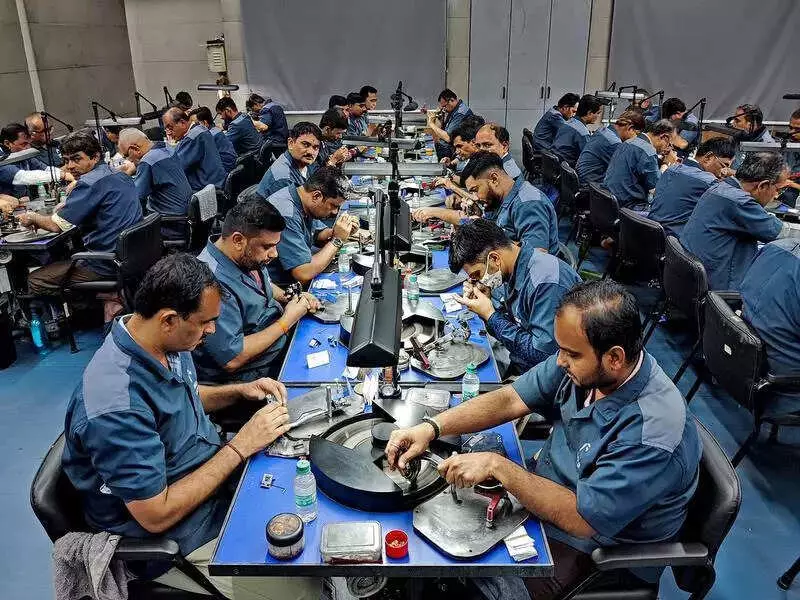
GJEPC Aims to Transform India into a Global Diamond Trading Powerhouse
In Surat, the heart of India's gem and jewellery industry, the Gem & Jewellery Export Promotion Council (GJEPC) is charting an ambitious path forward. The council wants to position India as a premier global diamond trading hub, rivaling established centers like Antwerp and Dubai. This vision comes at a critical time, as the sector grapples with multiple challenges that threaten its growth and competitiveness.
Key Recommendations for the Union Budget
Ahead of the upcoming Union Budget, GJEPC has submitted a detailed set of proposals to Union Finance Minister Nirmala Sitharaman. The council's primary focus is on creating a more favorable tax and regulatory environment to attract international business and boost exports.
One of the most significant suggestions is the adoption of a carat tax model, similar to the system used in Belgium. This model would provide a predictable and liberalized taxation regime for foreign mining companies operating in India's special notified zones. Currently, India cuts and polishes a staggering 90% of the world's rough diamonds, but the existing 4% safe harbour tax is seen as a major deterrent. International traders find this rate too high, which limits their participation in the Indian market.

GJEPC also advocates for allowing reputable global brokers to operate within India. This move would enhance transparency, increase liquidity, and encourage greater international involvement in the domestic diamond trade. By opening the doors to these brokers, India could foster a more dynamic and competitive marketplace.
Addressing Export Challenges and Duty Reforms
India's gem and jewellery exports remain a vital contributor to the economy, generating substantial foreign exchange and employment. In the 2024-25 fiscal year, these exports were valued at $28.7 billion. However, the industry faces headwinds from geopolitical tensions, US tariff actions, and softening consumer demand in key markets.
To maintain its edge, GJEPC is urging the government to implement targeted duty rationalization and procedural reforms. The council specifically calls for a reduction in import duties on cut and polished diamonds and coloured gemstones. Under current rules, semi-processed diamonds imported from mining countries are classified as "cut and polished" and attract a 5% basic customs duty. This classification makes Indian exports less competitive on the global stage.
Similarly, many rough gemstone-producing countries have imposed export restrictions or high duties. This forces Indian jewellers to import finished gemstones for manufacturing, incurring an additional 5% import duty. This cost burden weakens India's position against competitors like Thailand and China. GJEPC recommends lowering the duty on cut and polished diamonds and gemstones to 2.5% and abolishing duties on rough gemstones altogether. These changes would help sustain manufacturing, protect jobs, and support export growth.
Additional Proposals to Strengthen the Sector
Beyond duty reforms, GJEPC has put forward several other proposals to stabilize and grow the industry:

- Replacing the fixed-rate duty drawback system with an ad valorem (value-based) mechanism. This change would help exporters manage earnings more effectively amid fluctuating metal prices.
- Including platinum jewellery and gold articles under the duty drawback scheme. This expansion would provide broader support to jewellers working with various precious metals.
- Introducing a comprehensive tax refund scheme for foreign tourists. Currently, international visitors buying jewellery in India pay basic customs duty, agriculture infrastructure and development cess, and GST, but only the GST component is refundable. A more inclusive refund scheme could boost tourism-related sales.
- Continuing the duty exemption on imported lab-grown diamond (LGD) seeds beyond March 2026. This extension would support the growing lab-grown diamond segment, ensuring India remains competitive in this emerging market.
As India faces challenges from beneficiation policies in mining countries, demand slowdowns, and new rival hubs emerging in Africa and South-East Asia, these reforms are crucial. GJEPC's proactive approach aims to diversify exports, tap new markets, and ensure Indian manufacturers stay cost-competitive. The council's recommendations represent a comprehensive strategy to secure India's future as a global leader in the gem and jewellery trade.