

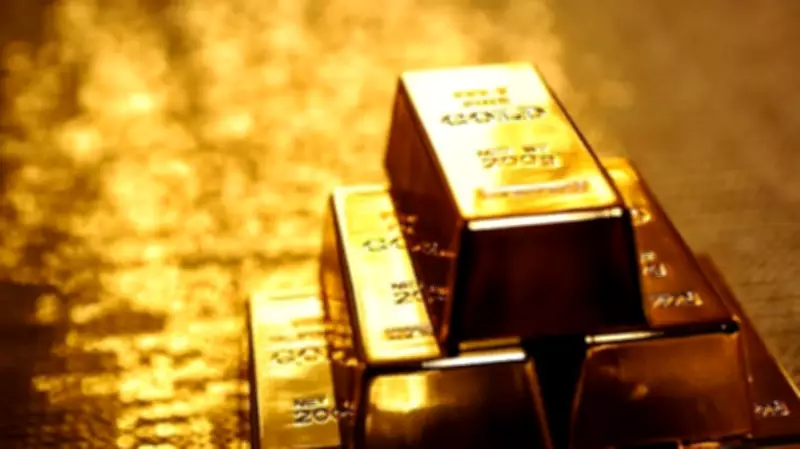
India's Gold Imports Soar by Nearly 29% to $69 Billion in April-February 2025-26
India has witnessed a significant surge in gold imports, with figures rising by 28.73 per cent to reach USD 69 billion during the period from April to February in the fiscal year 2025-26. This notable increase is primarily attributed to the persistently high prices of gold in the global market, which have driven up the value of imports despite potential fluctuations in volume.
Key Drivers Behind the Import Growth
The commerce ministry data highlights that the spike in gold imports is largely fueled by elevated prices of the precious metal. Gold, often seen as a safe-haven asset, has experienced price hikes due to various economic factors, including inflation concerns and geopolitical tensions, making it more expensive for importers. This has led to a higher dollar outflow for India, impacting the country's trade balance.
In comparison to the previous year, this period has shown a robust growth trajectory, underscoring the strong demand for gold in India, which remains one of the world's largest consumers of the yellow metal. The import data reflects not only domestic consumption patterns but also investment trends, as many Indians turn to gold for savings and hedging against economic uncertainties.

Implications for the Indian Economy
The rise in gold imports to $69 billion has several implications:
- Trade Deficit: Increased gold imports can widen India's trade deficit, as it adds to the import bill, potentially affecting the current account balance.
- Currency Impact: Higher dollar outflows for gold purchases may put pressure on the Indian rupee, influencing exchange rates.
- Market Dynamics: The demand surge could signal consumer confidence or inflationary pressures, impacting broader economic policies.
Experts suggest that while gold remains a cultural and economic staple in India, monitoring these import trends is crucial for managing fiscal health. The commerce ministry continues to track such data to inform trade policies and regulations.
This development comes amid global economic shifts, where precious metals like gold play a pivotal role in investment portfolios. As prices remain high, stakeholders in the gold industry, from traders to policymakers, are closely watching these trends to adapt strategies accordingly.






