

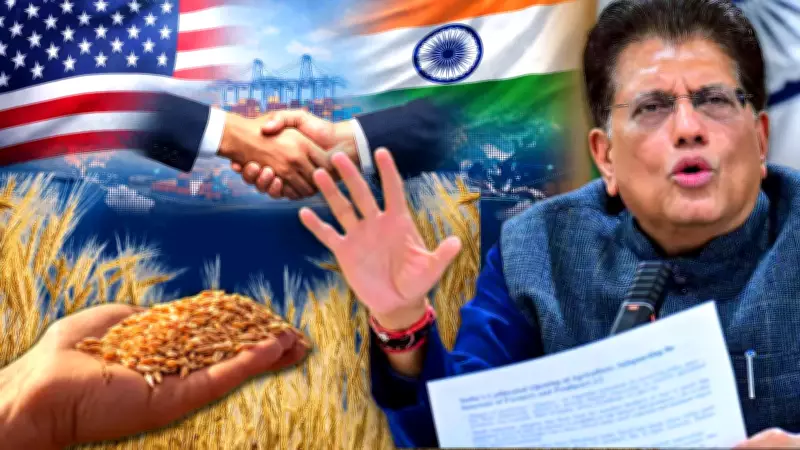
Commerce Minister Piyush Goyal Elaborates on India-US Trade Agreement Benefits
Union Commerce Minister Piyush Goyal has provided a comprehensive overview of the recently negotiated India–United States trade deal, emphasizing its strategic advantages for India's economic growth. In a detailed statement, Goyal outlined how the agreement addresses key sectors including civil aviation, advanced technology, and energy, while firmly rebutting opposition claims as distortions of facts.
Massive Import Opportunities in Aviation and Technology
Goyal revealed that India's expanding civil aviation sector could require between $80 billion and $100 billion worth of products over the coming years. This includes aircraft, components, and related infrastructure necessary to support the country's growing air travel demands.
Furthermore, the minister projected that investments in data centers, artificial intelligence infrastructure, and quantum computing technologies could drive imports totaling up to $2 trillion within the next five years. These technological imports are seen as crucial for India's digital transformation and competitive positioning in global markets.

Clarifications on Tariffs and Sector-Specific Provisions
The commerce minister addressed concerns about Section 232 tariffs imposed by the United States on steel, aluminum, and copper products. Goyal clarified that these tariffs are global measures not specifically targeted at India, and that negotiations have secured important exemptions for critical sectors.
Key exemptions include:
- Aircraft parts and components essential for India's aviation industry
- Selected automotive components that support manufacturing sectors
- Continued zero-duty access for Indian generic medicines despite ongoing US regulatory reviews
Agricultural Safeguards and Farmer Protection
Addressing agricultural concerns, Goyal explained that market access for American apples and tree nuts has been opened in a carefully calibrated manner. The agreement includes specific protective measures designed to shield Indian farmers from unfair competition.
These agricultural safeguards comprise:
- Quota limitations on import volumes
- Tariff protections for domestic producers
- Minimum price requirements to prevent market dumping
Political Criticism and Call for Parliamentary Debate
Piyush Goyal strongly criticized opposition parties for what he described as spreading falsehoods and misinformation about the trade agreement. The minister accused certain political elements of deliberately distorting facts to create unnecessary public concern.
Goyal expressed willingness to engage in substantive debate on the trade deal's merits, but emphasized that such discussions could only occur if Parliament functions normally and constructively. He challenged opponents to present their concerns through proper parliamentary channels rather than through what he characterized as misleading public statements.
The commerce minister's detailed explanation comes amid ongoing political discussions about India's trade relationships and economic policies. The India-US trade agreement represents one of the most significant bilateral economic partnerships for India, with potential implications across multiple sectors of the economy.






