

Gulf Conflict Disrupts Indian Rice Trade, Strands Key Shipments
Amid escalating tensions in the Gulf region, Indian rice exports to conflict-affected areas have encountered significant disruptions, creating unexpected challenges for exporters. Consignments destined for Iran remain stranded at sea, highlighting the vulnerability of international trade during geopolitical instability.
Iran's Unusual Rice Orders Face Delivery Hurdles
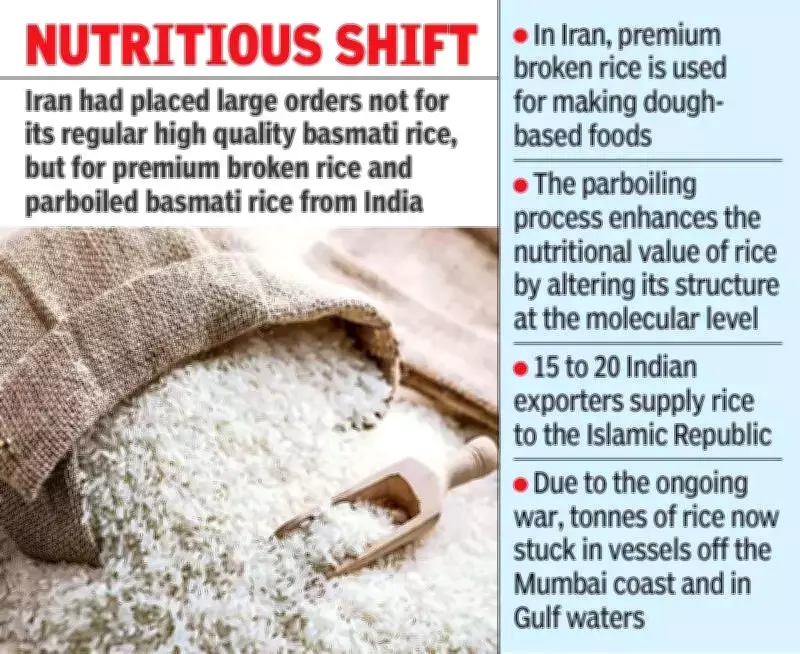
In a notable departure from traditional trade patterns, Iran—currently embroiled in regional conflicts—placed substantial orders for specific rice varieties from India. Contrary to their usual preference for high-quality basmati rice, Iranian buyers requested premium broken rice and parboiled basmati rice. However, these shipments have been unable to reach their destination, with tonnes of rice now immobilized in vessels off the Mumbai coast and in Gulf waters.
Market sources indicate that approximately 15 to 20 Indian exporters are involved in supplying rice to Iran. While Gulf markets typically import basmati rice, Iran's recent demand for premium broken rice represents a significant shift in purchasing behavior.

Logistical and Banking Challenges Compound Export Woes
The ongoing war situation has created multiple obstacles for exporters. Rishab Biyani, director of Sri Rama Modern and Parboiled Rice Mill in Telangana, revealed that his company dispatched 15 containers of premium broken rice and about 30 tonnes of parboiled basmati rice to Iran, along with other rice varieties. "Due to the ongoing war situation, our containers are now stuck in Mumbai and the Gulf waters," Biyani explained. "Additionally, the banking system in Iran is not functioning properly. We are exploring local markets wherever the containers are held."
Nutritional Benefits Drive Demand for Parboiled Basmati
Iran's specific request for parboiled basmati rice reflects growing global interest in healthier food options. This variety is known for its higher fiber content, lower calories and carbohydrates, and relatively higher protein levels compared to regular basmati rice. The parboiling process enhances its nutritional value by altering the rice's structure at the molecular level, making it a preferred choice for health-conscious consumers.
Divergent Uses for Broken Rice in Different Markets
The demand for premium broken rice highlights interesting cultural differences in food consumption. While broken rice in India is primarily used as poultry feed, in Iran, premium broken rice serves culinary purposes, particularly in the preparation of dough-based foods. This distinction underscores how the same agricultural product can serve vastly different functions across international markets.
Export Regulations and Special Permissions
Under international agreements, state or central governments are not permitted to export rice directly, leading most countries to place orders with private exporters. However, Telangana had previously secured special permission to export rice to the Philippines, demonstrating how regional governments can navigate complex trade regulations under specific circumstances.
The current situation illustrates how geopolitical tensions can ripple through global supply chains, affecting agricultural exports and creating financial uncertainties for businesses engaged in international trade.






