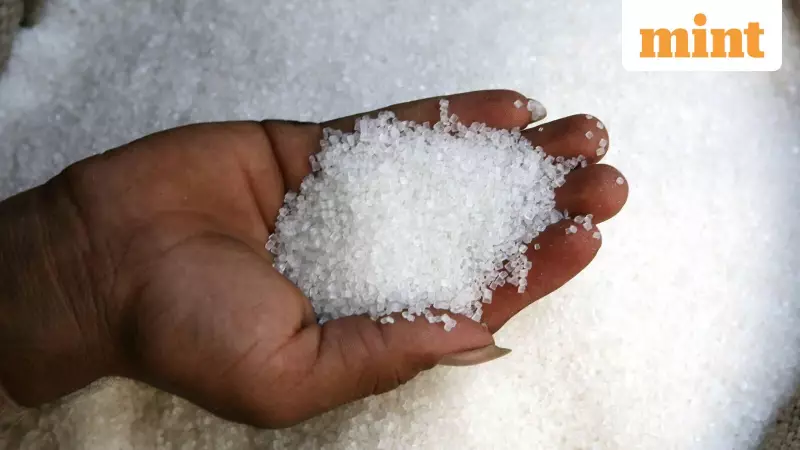
In a significant policy shift aimed at promoting high-value agricultural shipments, the Indian government has permitted limited exports of organic sugar. This calibrated decision, announced on 29 December, seeks to provide a dedicated channel for premium produce while maintaining strict oversight over the broader sugar supply to ensure domestic availability and stable prices.
A Niche Export Window with Clear Ceilings
The Directorate General of Foreign Trade (DGFT), through its latest notification, has allowed the export of organic sugar classified under HS codes 17011490 and 17019990. The permission is effective immediately but comes with a firm annual cap of 50,000 tonnes. This move partially relaxes the blanket restrictions imposed in October 2023, when all sugar exports, including organic, were placed in the "restricted" category as a supply management measure.
The policy is designed to clearly differentiate between bulk sugar exports—which are tightly controlled—and niche, premium segments like organic sugar that primarily serve overseas markets. Binod Anand, secretary general of the Confederation of NGOs of Rural India and a member of the government’s MSP committee, explained the rationale. He stated that the government aims to give organic producers global market access without risking uncontrolled shipments that could disrupt domestic sugar management. The annual cap also offers policymakers flexibility to adjust volumes based on production, stocks, and domestic price trends.

Boosting a Premium Sector with Global Demand
Organic sugar represents a small fraction of India's total sugar output but fetches higher prices and enjoys steady demand in markets like the US, Europe, and parts of Asia. This demand is fueled by the global rise in consumption of organic and clean-label food products. The Indian Sugar & Bio-Energy Manufacturers Association (Isma) welcomed the decision. Deepak Ballani, director general of Isma, called it a "welcome and forward-looking step" that opens a new avenue for Indian producers and millers by moving organic sugar out of the restricted list and setting a defined quota.
The notification specifies that exports will be governed by the Foreign Trade Policy (FTP) 2023 and modalities set by the Agricultural and Processed Food Products Export Development Authority (Apeda), ensuring continued oversight on certification and shipment approvals. For exporters, this provides a predictable, policy-backed opportunity to service existing international clients and build long-term contracts in lucrative premium markets.
Aligning with India's Broader Organic and Export Vision
This policy aligns seamlessly with India's dual objectives: managing the domestic sugar balance sheet and encouraging value-added agricultural exports. The government has been calibrating general sugar export quotas based on comfortable domestic stocks and market dynamics, including ethanol diversion. For the 2025-26 season, it has allowed 15 lakh tonnes of sugar exports, with deals for about 150,000-200,000 tonnes already signed.
Concurrently, India is rapidly emerging as an organic farming powerhouse. According to the Indian Brand Equity Foundation (IBEF), India ranks second globally in organic agricultural land and leads in the number of organic producers as of January 2025. The domestic organic food market, valued at about $1.91 billion in 2024, is projected to grow to $10.8 billion by 2033. The organic sugar market specifically is on a high-growth trajectory, estimated at $80.17 million in 2025 and projected to reach $320 million by 2035, expanding at a CAGR of 14.8%.
Government support through schemes like the Paramparagat Krishi Vikas Yojana and robust certification frameworks under the National Programme for Organic Production are strengthening this sector. The latest export permission for organic sugar is thus not an isolated move but a strategic step integrated into India's larger narrative of sustainable agriculture and premium export promotion.