

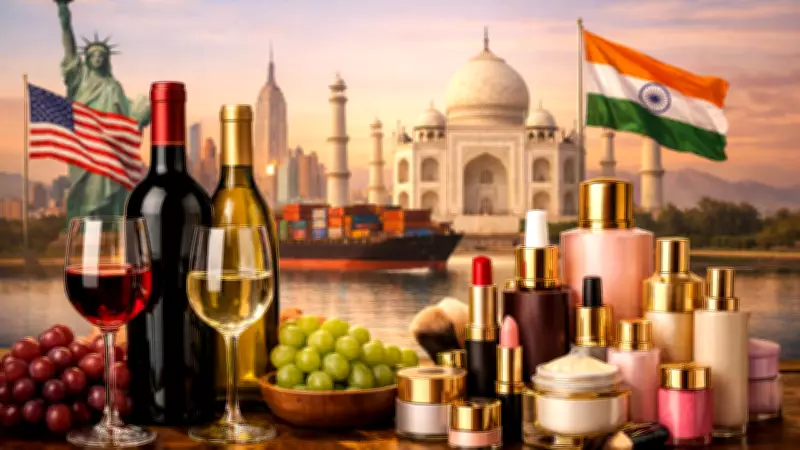
India Announces Duty Concessions for US Goods Under Interim Trade Agreement
In a significant development for bilateral trade relations, the Indian government on Saturday unveiled a detailed list of American goods that will receive duty concessions under the newly agreed India-US interim trade deal. Union Commerce Minister Piyush Goyal made the announcement during a press conference, outlining the scope of the agreement and its implications for both nations.
Key Concessions and Protected Sectors
Minister Goyal confirmed that India will open its markets to specific US products, including Distiller’s Dried Grains with Solubles (DDGS), wines, and spirits. For these items, a minimum import price has been established to regulate trade. The comprehensive list of goods receiving duty concessions encompasses:
- Alcoholic beverages: Wines and spirits
- Agricultural and feed products: Dried distillers’ grains (DDGS), red sorghum for animal feed, tree nuts, soybean oil, and fresh and processed fruit
- Industrial and consumer goods: Cosmetics, inorganic and organic chemicals, certain medical devices, and computer-related products
Goyal emphasized that quota-based duty concessions will be specifically granted for soyabean oil imports from the United States, ensuring controlled market access.

Protection for Sensitive Indian Sectors
Addressing concerns about domestic industries, the minister provided strong reassurances regarding the protection of sensitive sectors. He stated that agricultural and dairy products remain fully shielded from any duty concessions under this agreement. Products such as milk, cheese, wheat, rice, maize, soy, poultry, ethanol (fuel), tobacco, certain vegetables, and meat will not receive any tariff reductions.
"All those products on which we are 'aatma nirbhar' have been kept out of the agreement," Goyal declared, referencing India’s self-reliant and strategic sectors. This move aligns with the government’s commitment to safeguarding domestic farmers and key industries from foreign competition.
Benefits for Indian Economy and Exporters
Goyal highlighted that the trade deal is designed to benefit Indian farmers, micro, small, and medium enterprises (MSMEs), artisans, and craftsmen. It also supports the broader "Make in India" initiative by fostering a conducive environment for domestic production and export growth.
One of the notable advantages for Indian exporters is the reduction of reciprocal tariffs. "The 50% reciprocal tariff has been reduced to 18%, which is less compared to our neighboring countries, and will provide a lot of help to our exporters," Goyal explained. He added that the deal brings new hopes and opportunities to India's growth story, enhancing bilateral trade relations.
Importantly, the minister clarified that agricultural products from Indian farmers will be exported to the United States at zero duty, while no tariff concessions have been granted for agricultural products from US farmers entering the Indian market. This asymmetric benefit aims to boost India’s export potential while maintaining protection for its agricultural sector.
Framework and Future Prospects
The interim trade agreement follows discussions between Prime Minister Narendra Modi and US President Donald Trump, with a joint statement issued by both nations. The framework is expected to be formally signed in the coming days, marking a step forward in strengthening economic ties.
Goyal concluded that this agreement will provide new opportunities for Indian exporters and reinforce the bilateral trade relationship between India and the United States. The deal reflects a balanced approach, offering concessions on select US goods while ensuring robust protection for India’s sensitive and self-reliant sectors.






