

India Halts Wood Briquette Exports to Prioritize Domestic Energy Needs
The Government of India has announced an immediate and comprehensive ban on the export of wood briquettes, a critical biomass fuel used widely for heating and industrial purposes. This decisive move, enacted under the Foreign Trade (Development and Regulation) Act, 1999, aims to secure domestic fuel supplies and stabilize prices in the face of escalating global energy market volatility.
Key Details of the Export Prohibition
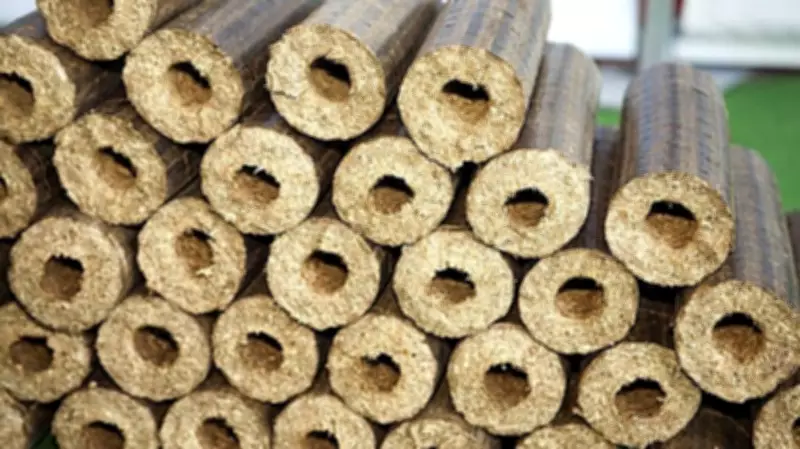
The Directorate General of Foreign Trade (DGFT) issued a formal notification, categorizing wood briquettes under the "prohibited" list for exports. This prohibition is effective immediately and applies to all shipments, regardless of any prior contracts or commitments. The ban specifically targets wood briquettes, which are compressed blocks of sawdust, wood chips, or other biomass materials, commonly utilized as an eco-friendly alternative to coal and other fossil fuels in both residential and commercial settings.
Rationale Behind the Government's Decision
Officials cited multiple pressing reasons for this export restriction. Primarily, the ban is designed to ensure ample availability of wood briquettes within India, preventing potential shortages that could disrupt industries and households reliant on this fuel source. Additionally, the government aims to mitigate price inflation driven by high international demand, which has been exacerbated by global supply chain disruptions and geopolitical tensions affecting energy resources worldwide.

This policy aligns with broader national strategies to enhance energy security and promote sustainable domestic consumption of biomass resources.
Implications for Stakeholders and the Market
The export ban is expected to have significant ramifications across various sectors:
- Domestic Consumers: Households and businesses in India are likely to benefit from more stable and potentially lower prices for wood briquettes, ensuring uninterrupted access to this essential fuel.
- Exporters and Traders: Companies engaged in the export of wood briquettes will face immediate disruptions, necessitating a shift in focus to domestic markets or alternative product lines.
- Global Market: International buyers, particularly in regions like Europe and Asia where demand for biomass fuels has been rising, may experience supply constraints, potentially driving up prices for alternative energy sources.
Industry analysts note that this move reflects a growing trend among nations to prioritize domestic energy needs over export revenues, especially in the context of climate change initiatives and the global shift towards renewable energy sources.
Context and Broader Energy Policy Framework
This export prohibition on wood briquettes is part of a series of measures by the Indian government to manage fuel resources effectively. In recent years, similar restrictions have been placed on other commodities to balance domestic supply with international demand. The decision underscores India's commitment to safeguarding its energy infrastructure and supporting sustainable development goals by ensuring that locally produced biomass fuels remain accessible and affordable for its population.
As the world grapples with energy transitions and supply chain challenges, such policies highlight the delicate balance between global trade obligations and national priorities in securing essential resources for economic stability and growth.






