

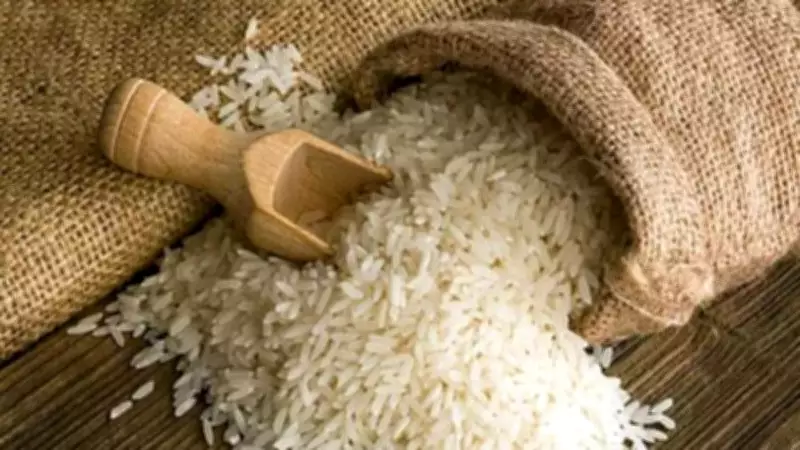
Middle East Conflict Severely Disrupts India's Basmati Rice Exports
A sharp escalation in the Middle East conflict has choked India's basmati rice shipments, leaving nearly 400,000 metric tons stranded at ports and in transit. New export deals have come to a complete halt as freight rates have more than doubled since the US and Israel attacked Iran over the weekend, according to trade officials.
Export Crisis Unfolds as Shipping Routes Disrupted
India, the largest global exporter of premium aromatic basmati, depends heavily on West Asian markets. Buyers in Saudi Arabia, Iran, and the United Arab Emirates account for more than half of total shipments. Satish Goel, president of the All India Rice Exporters' Association (AIREA), revealed that around 200,000 tons of basmati rice are stuck in transit, with an equal amount stranded at Indian ports due to disrupted shipping routes across the Middle East.
Goel explained that exporters had already positioned consignments at ports, but escalating container freight costs have made shipments to the Middle East unviable. He emphasized that no alternative market is capable of absorbing such large volumes at short notice, highlighting the unprecedented nature of this trade shock.

Military Actions Drive Global Shipping Chaos
The US and Israeli air campaign against Iran widened on Monday, with Israel striking Lebanon and Iran retaliating by targeting energy infrastructure in Gulf countries and tankers in the Strait of Hormuz. As a result, tankers and container vessels are steering clear of the waterway after insurers withdrew coverage, sending global shipping rates sharply higher.
With cargo lying idle, AIREA has approached the commerce ministry for support, citing mounting storage costs at ports and exposure to higher freight charges. A New Delhi-based dealer with a global trading house noted that exporters are avoiding fresh orders from the Middle East and focusing only on fulfilling existing contracts.
Market Impact and Future Outlook
Both buyers and sellers recognize the situation as unprecedented. If disruptions persist, some exporters may invoke force majeure. This trade shock follows a record basmati harvest in India this year, but the abrupt export slowdown has dragged prices down by nearly 6 percent.
India and Pakistan are the only countries that widely cultivate basmati, a long-grain variety used in biryani, pilafs, and other dishes, sold at a premium in global markets. A Mumbai-based trader stated, "Basmati rice is a staple in the Middle East, and there's really no substitute for Indian supplies. Once the war is over, these countries will start stocking up again."
The ongoing conflict continues to pose significant challenges for India's agricultural export sector, with stakeholders closely monitoring developments for any resolution.






