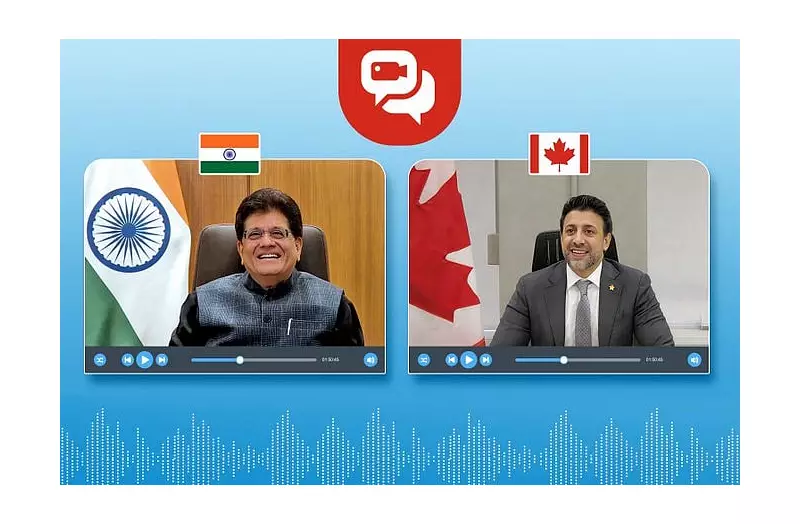
In a significant diplomatic and economic development, India and Canada have initiated fresh discussions to chart the path forward for a long-pending bilateral trade agreement. This move signals a potential thaw in relations, which had plummeted to a historic low following serious allegations made by Canadian Prime Minister Justin Trudeau in 2023.
From Pause to Progress: Reviving Trade Talks
Official sources confirm that the two nations are currently engaged in defining the contours and modalities required to formally relaunch negotiations for a comprehensive trade pact. These foundational talks are a crucial first step before full-fledged negotiations can commence. The dialogue represents a cautious but deliberate effort to rebuild economic engagement after a prolonged period of strain.
The 2023 Diplomatic Deep Freeze
The journey to this point has been rocky. In 2023, Canada unilaterally paused all negotiations for the proposed trade agreement with India. This decision came directly on the heels of a major diplomatic crisis. Then Prime Minister Justin Trudeau publicly alleged a potential link between Indian government agents and the killing of Hardeep Singh Nijjar, a Khalistani separatist leader, on Canadian soil in June of that year.

India vehemently rejected these allegations as "absurd and motivated." The ensuing diplomatic row saw both countries expelling senior diplomats, issuing travel advisories, and engaging in a war of words that brought bilateral relations to a virtual standstill. The promising trade pact, which aimed to boost two-way commerce and investment, was one of the most visible casualties of this frosty period.
Navigating a New Chapter
The resumption of talks, however preliminary, indicates a mutual recognition of the importance of the economic relationship despite political differences. Both countries stand to gain significantly from a well-structured agreement. Key areas of potential cooperation include:
- Energy and Critical Minerals: Canada is a key supplier, while India seeks energy security.
- Technology and Innovation: Collaboration in tech startups, AI, and digital infrastructure.
- Education and Skilled Mobility: Facilitating the movement of students and professionals.
- Agriculture and Food Products: Expanding trade in pulses, fertilizers, and processed foods.
While the discussions on the trade pact's framework are a positive sign, experts caution that the path to a final agreement remains complex. The underlying political tensions, though currently managed, have not been fully resolved. The negotiations will need to carefully navigate these sensitivities while focusing on tangible economic benefits for both nations.
The outcome of these talks will be closely watched by the global business community as a barometer for the overall health of India-Canada ties. A successful trade pact could serve as a stabilizing pillar in a relationship that has experienced significant turbulence.