In a significant move that signals a warming of bilateral relations, India and Canada are putting the final touches on a major agreement for the supply of uranium to New Delhi. This development, reported by The Globe and Mail, comes alongside a mutual decision to restart negotiations on a comprehensive free trade agreement, marking a positive shift after a period of diplomatic strain.
Details of the Landmark Uranium Agreement
The proposed nuclear fuel deal is projected to be worth a substantial $2.8 billion and is expected to span a term of 10 years, according to individuals familiar with the negotiations. While the final terms might see some adjustments before an official announcement, the uranium will be supplied by the Canadian nuclear energy giant, Cameco Corp..
This is not the first such arrangement between the two nations. Back in 2015, a five-year agreement was signed for uranium exports from Cameco to India, which was valued at around $350 million based on uranium prices at that time. However, officials have clarified that the current deal is a completely new pact and not merely a renewal of the previous one. When approached for comment, Cameco maintained its policy of confidentiality regarding commercial contracts.

A Broader Framework of Cooperation
The uranium export deal is poised to be a cornerstone of a wider nuclear cooperation effort between Ottawa and New Delhi. Other potential areas of collaboration include Canada's initiatives to develop commercial, revenue-generating small modular nuclear reactors.
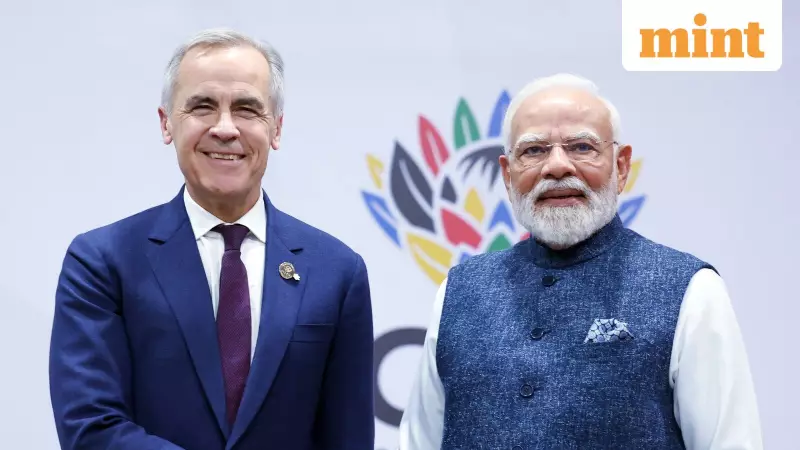
The rejuvenation of ties was prominently displayed on the sidelines of the G20 Leaders' Summit in Johannesburg, South Africa, where Prime Minister Narendra Modi met with his Canadian counterpart. The leaders agreed to resume discussions on a free trade deal and also discussed the Australia-Canada-India Technology and Innovation (ACITI) Partnership. This trilateral framework aims to boost cooperation in critical technologies, nuclear energy, supply chain diversification, and Artificial Intelligence.
Both nations have now planned to initiate formal negotiations on a high-ambition Comprehensive Economic Partnership Agreement (CEPA), with a clear target to double bilateral trade to $50 billion by 2030. An official statement from the Ministry of External Affairs reaffirmed their "longstanding civil nuclear cooperation" and noted the "ongoing discussions on expanding collaboration, including through long-term uranium supply arrangements."
Overcoming Diplomatic Hurdles
This renewed partnership follows a period of significant diplomatic tension that arose in 2023 after the killing of Khalistani leader Hardeep Singh Nijjar. At the time, then-Prime Minister Justin Trudeau stated that his government was investigating "credible allegations" linking Indian government agents to the murder, claims which India dismissed as "absurd and motivated."
Ahead of the recent meeting with PM Modi, the Canadian leader emphasized the importance of securing better trade access to "one of the world’s largest and fastest-growing economies." The two countries also continue to maintain a dialogue between their law enforcement and national security agencies, indicating a multi-faceted effort to mend and advance the relationship.