

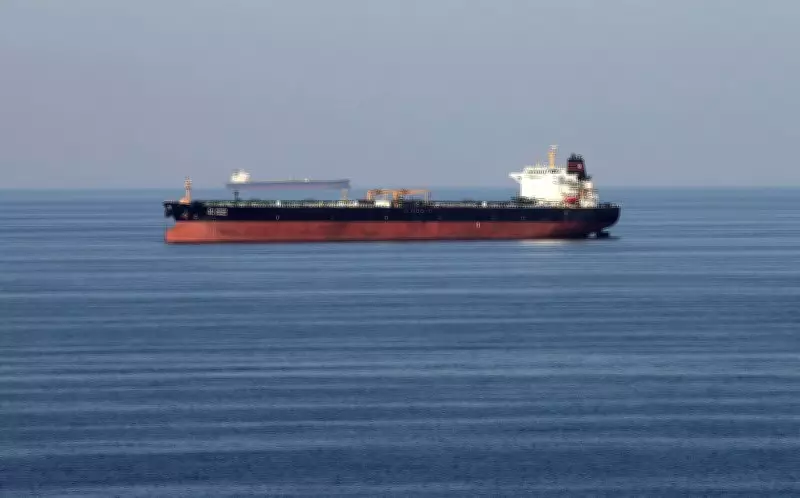
India Confirms Resumption of Iranian Oil Imports After Seven-Year Gap
In a significant development for global energy markets, India has officially confirmed the resumption of crude oil imports from Iran, marking the end of a seven-year hiatus. This strategic decision underscores India's efforts to diversify its energy sources and enhance energy security amidst fluctuating global oil prices and geopolitical uncertainties.
Background and Historical Context
The import of Iranian oil was suspended by India in 2017 due to international sanctions imposed on Iran over its nuclear program. During this period, India relied heavily on other major oil-producing nations, including Saudi Arabia, Iraq, and the United Arab Emirates, to meet its substantial energy demands. The recent confirmation signals a shift in India's foreign policy and trade relations, reflecting improved diplomatic ties and a reassessment of energy procurement strategies.
Strategic Implications for India's Energy Security
India, as one of the world's largest oil importers, has been actively seeking to reduce its dependency on traditional suppliers. The resumption of Iranian oil imports is expected to provide a more diversified and cost-effective energy mix. This move could potentially lower import costs and mitigate risks associated with supply disruptions from other regions. Additionally, it aligns with India's broader goal of achieving energy independence and supporting its rapidly growing economy.

- Diversification of Energy Sources: Reducing reliance on a few key suppliers to enhance stability.
- Economic Considerations: Access to competitively priced crude oil to manage inflation and support industrial growth.
- Diplomatic Relations: Strengthening bilateral ties with Iran, which holds strategic importance in the region.
Global and Regional Impact
The resumption of oil trade between India and Iran is likely to have ripple effects across global energy markets. It may influence oil prices and alter trade dynamics, particularly in the Middle East. For Iran, this represents a crucial opportunity to boost its oil exports and economic recovery amid ongoing international challenges. Regionally, this development could foster closer economic cooperation and potentially ease tensions, contributing to greater stability in South Asia and the Persian Gulf.
Industry experts suggest that this move could pave the way for increased bilateral trade in other sectors, further solidifying the economic partnership between the two nations. However, it also requires careful navigation of international sanctions and compliance with global regulations to avoid potential repercussions.
Future Outlook and Challenges
Looking ahead, the successful implementation of this trade resumption will depend on several factors, including the stability of diplomatic relations, adherence to international norms, and market conditions. India must balance its energy needs with geopolitical considerations, ensuring that this decision supports long-term national interests without compromising on global commitments.
In conclusion, India's confirmation of buying Iranian oil after seven years is a landmark event with far-reaching implications. It highlights the country's proactive approach to energy security and its evolving role in international trade. As this partnership unfolds, it will be closely watched by stakeholders worldwide for its impact on energy markets and regional geopolitics.






