

India Moves to Broaden Crude Oil Sourcing as US Trade Pact Takes Shape
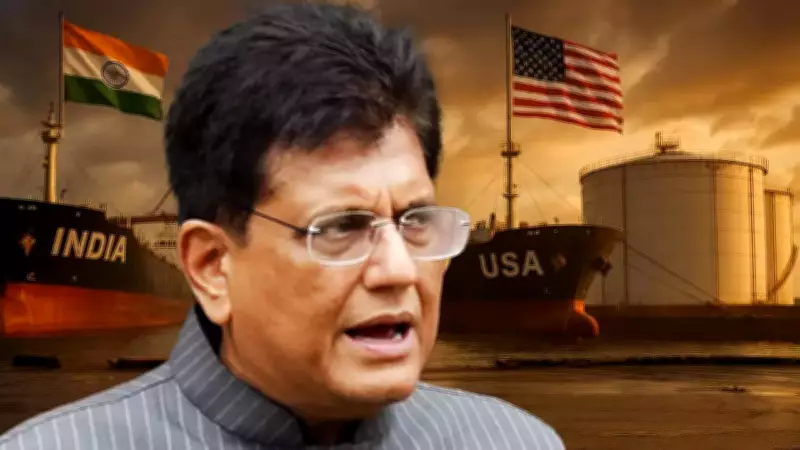
Commerce Minister Piyush Goyal has stated that India is actively seeking to diversify its sources of crude oil, a strategic move that gains significance in the context of recent trade developments with the United States. This announcement comes alongside a joint statement from the India-US trade deal, which reduces tariffs on Indian exports to 18%, marking a pivotal shift in bilateral economic relations.
US Conditions and Declining Russian Oil Imports
The Donald Trump administration has removed the 25% penal tariffs previously imposed on India, contingent upon India ceasing its purchases of crude oil from Russia. This condition aligns with broader geopolitical pressures, as India's crude imports from Russia have notably decreased since the US imposed sanctions on two major Russian oil firms in late 2025.
According to recent reports, the share of Russian crude in India's oil imports has plummeted to its lowest level since late 2022. Analysts anticipate this trend will continue, with further declines expected in the coming months, reflecting India's compliance with US demands and its broader energy security strategy.

Goyal's Emphasis on Diversification and US Supplies
Piyush Goyal emphasized India's desire to broaden its sourcing not only for crude oil but also for coking coal, a critical input for steel production. He expressed particular interest in securing high-quality coking coal from the United States, highlighting the potential benefits for India's industrial sector.
"We want to diversify our oil sources. I want to diversify the source of coking coal for example. I am dependent on 2 or 3 geographies (for that) and prices keep fluctuating. I would love to have American coking coal which is high quality coming to India," Goyal said, as reported by PTI.
He further noted that the US is well-positioned to supply several products crucial for India's economic growth, including graphics processing units used in artificial intelligence, infrastructure and equipment for data centers, and high-performance computing systems. This underscores a complementary trade relationship where India can produce goods in areas where US manufacturers may lack competitiveness, while America provides advanced technology and investment capital.
Broader Trade Implications and Economic Opportunities
The proposed interim trade pact with the United States includes India's intent to procure goods worth $500 billion from America over the next five years. An Indian delegation is scheduled to travel to the US next week to finalize the legal drafting of the agreement, with an expected signing in March.
Goyal asserted that entering into a trade agreement with the US would be highly beneficial for India, creating significant opportunities for domestic businesses, especially in labor-intensive sectors and technology-driven services. He also highlighted the demand for aircraft from the US, estimated at about $100 billion over the next five years, which could help expand domestic aviation and lower fares.
India's Assertive Trade Negotiation Stance
Reflecting on India's recent trade achievements, Goyal pointed out that nine free trade agreements have been concluded over the past four years. He emphasized that these deals were negotiated from a position of confidence, with India now engaging in trade talks assertively, without defensiveness, and with a sharp focus on long-term national interests.
This proactive approach to trade diversification and negotiation signals India's commitment to enhancing its economic resilience and leveraging global partnerships for sustained growth.






