

India and European Union Accelerate Free Trade Agreement Implementation
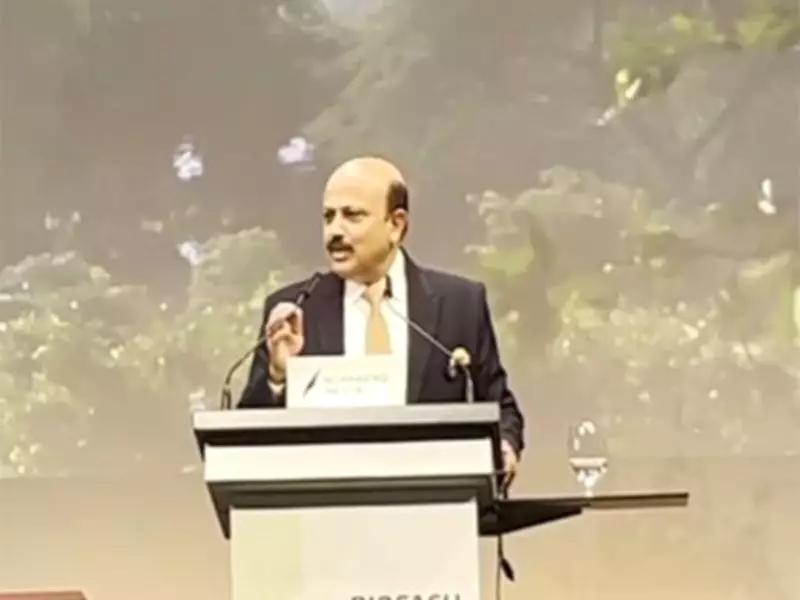
In a significant development for global trade dynamics, Commerce Secretary Rajesh Agrawal has revealed that India and the European Union are actively collaborating on a fast-track mechanism to operationalize their long-awaited Free Trade Agreement (FTA) within a single year. This announcement underscores a renewed commitment from both sides to deepen economic ties and streamline trade processes.
Accelerated Timeline for FTA Operationalization
The push for a swift implementation comes after years of negotiations and discussions aimed at reducing tariffs and non-tariff barriers between India and the EU. According to Secretary Agrawal, the focus is now on creating a structured pathway that bypasses bureaucratic delays, ensuring that the agreement becomes fully functional in record time. This accelerated approach is expected to benefit key sectors such as manufacturing, services, and agriculture by providing enhanced market access and fostering a more predictable trade environment.
Strategic Importance of the India-EU FTA
The Free Trade Agreement between India and the European Union holds immense strategic importance, given that the EU is one of India's largest trading partners. Operationalizing the FTA within a year could significantly boost bilateral trade volumes, which have shown robust growth in recent years. Secretary Agrawal emphasized that this move aligns with India's broader economic goals of integrating more deeply into global value chains and attracting foreign investment, while the EU seeks to diversify its trade partnerships amid shifting geopolitical landscapes.

- Reduction in tariffs on a wide range of goods, making Indian exports more competitive in European markets.
- Enhanced cooperation in areas such as intellectual property rights, sustainable development, and digital trade.
- Potential creation of new job opportunities and economic growth through increased trade flows.
- Strengthened diplomatic and economic relations between India and EU member states.
Challenges and the Path Forward
Despite the optimistic timeline, challenges remain, including aligning regulatory standards and addressing sensitive issues in sectors like agriculture and pharmaceuticals. However, Secretary Agrawal expressed confidence that the fast-track process will involve focused working groups and regular high-level meetings to resolve outstanding matters efficiently. Both parties are committed to ensuring that the FTA not only promotes trade but also adheres to principles of fairness and sustainability.






