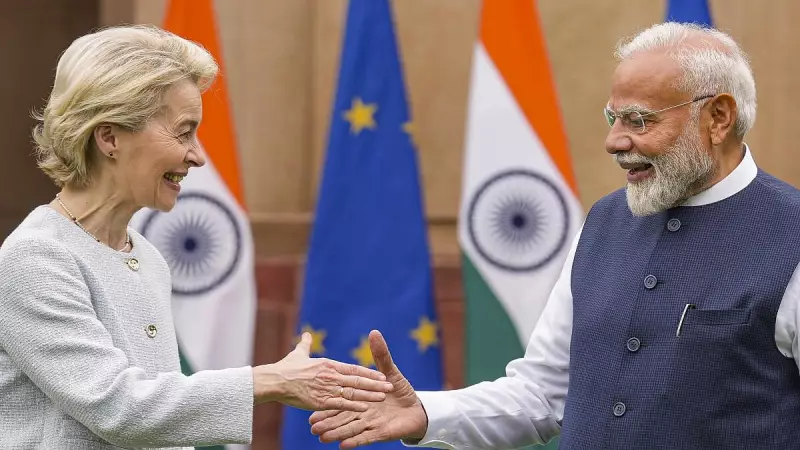
India and EU Seal Historic Trade Agreement Negotiations
In a major diplomatic and economic breakthrough, India and the European Union have concluded their talks for a comprehensive free trade agreement (FTA), setting the stage for enhanced bilateral cooperation. This development comes at a time when global trade patterns are undergoing significant realignment, with nations seeking to diversify their economic partnerships.
Key Highlights of the Negotiated Deal
The finalized negotiations cover a wide array of sectors, aiming to boost trade and investment flows between India and the EU. Key areas of focus include:
- Tariff Reductions: Significant cuts in import duties on goods such as automobiles, textiles, and agricultural products.
- Services Sector: Improved market access for professionals in IT, healthcare, and finance.
- Intellectual Property: Strengthened protections to foster innovation and technology transfer.
- Sustainable Development: Commitments to environmental and labor standards, aligning with global best practices.
Geopolitical Context and US Relations
This trade deal is particularly noteworthy as it unfolds against a backdrop of strained ties between India and the United States. Recent trade disputes and policy divergences have prompted New Delhi to actively pursue alternative economic alliances. The EU, with its vast market and technological prowess, emerges as a strategic partner in this scenario.

Experts suggest that this agreement could serve as a counterbalance to US influence in the region, offering India greater leverage in international trade forums. It also reflects a broader trend of nations reassessing their economic dependencies in light of geopolitical uncertainties.
Economic Implications for India
The India-EU trade deal is expected to yield substantial benefits for the Indian economy. Projections indicate:
- Boost to Exports: Enhanced access to the EU's 450-million-consumer market could drive growth in key sectors like pharmaceuticals, engineering goods, and IT services.
- Foreign Investment: Increased investor confidence may attract more European capital into India's manufacturing and infrastructure projects.
- Job Creation: Potential for new employment opportunities in export-oriented industries and allied services.
However, challenges remain, including addressing non-tariff barriers and ensuring equitable benefits for small and medium enterprises (SMEs).
Next Steps and Implementation
With negotiations now complete, the focus shifts to the legal scrubbing and ratification processes. Both parties are expected to work diligently to finalize the text and secure necessary approvals from their respective legislative bodies. The aim is to operationalize the agreement within a reasonable timeframe, paving the way for a new era of India-EU economic collaboration.
This landmark deal underscores India's proactive approach to forging robust international partnerships, even as it navigates complex global dynamics. It marks a pivotal moment in the country's trade policy, with potential ripple effects across the Asian and global economic landscape.