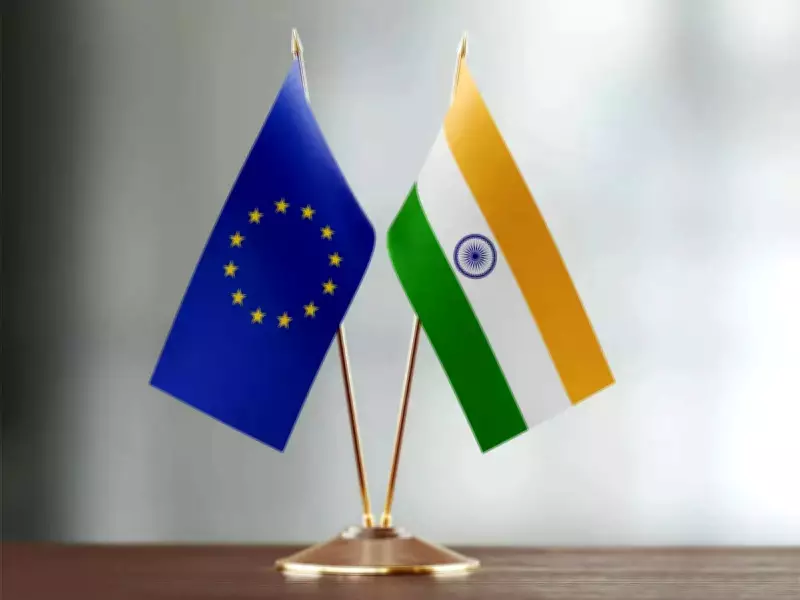
In a landmark development for bilateral trade relations, India has forged a comprehensive agreement with the European Union that promises to reshape economic engagement between the two regions. The newly negotiated terms include significant concessions aimed at fostering deeper integration and mutual benefits across key sectors.
Banking and Insurance Liberalization
Under the terms of the agreement, India has committed to permitting European Union banks to establish up to 15 branches within its borders over the next four years. This move represents a strategic opening in the financial services sector, designed to enhance competition and provide consumers with broader access to international banking services.
Concurrently, India has agreed to bind foreign direct investment in the insurance sector at 100%, aligning with the recently liberalized ceiling. This decision is expected to attract substantial capital inflows and spur innovation within the insurance industry, potentially leading to more diverse product offerings and improved services for policyholders.

Visa Regime Enhancements
In return for these economic concessions, the European Union has agreed to implement a more stable and predictable visa regime for Indian employees and professionals working within member countries. This aspect of the agreement addresses long-standing concerns regarding mobility and access for skilled Indian workers in the EU market.
Specifically, intra-corporate transferees will now be eligible for three-year visas, with the possibility of extension for an additional two years. These benefits extend to spouses and dependents as well, creating a more supportive environment for families of professionals working abroad. This provision is particularly advantageous for Indian IT companies and multinational corporations with operations in both India and EU member nations.
Professional Services Expansion
The agreement includes groundbreaking provisions for AYUSH practitioners, who will now be permitted to open clinics and wellness centers within EU countries. These professionals will be able to offer services based on the qualifications they have obtained in India, representing a significant recognition of Indian traditional medicine systems in European markets.
Officials have emphasized that the concessions offered to senior management and board members are consistent with existing provisions related to national treatment, ensuring fair and equitable conditions for Indian professionals operating within the EU framework.
Comprehensive Sectoral Commitments
The European Union has made substantial commitments across multiple sectors, including specific provisions for contractual workers in 37 sub-sectors and independent professionals in 17 sectors. One official described this as "the best offer that EU has given to anyone," noting that it parallels arrangements available to the United Kingdom, which maintains a special relationship with the European Union.
In the broader context of the Free Trade Agreement, the EU has opened 144 of its 155 services sub-sectors to Indian participation, while India has reciprocated by offering to liberalize 102 sectors. This mutual opening creates unprecedented opportunities for cross-border service delivery and economic cooperation.
Additional Benefits and Future Implications
The agreement is expected to provide a significant boost to the establishment of Global Capability Centers, particularly given the emphasis on electronic delivery of services. This digital focus aligns with broader trends in global business operations and could position India as a preferred destination for EU companies seeking to expand their service delivery capabilities.
Furthermore, the social security agreements included in the FTA will benefit Indian professionals and workers traveling to the EU for employment. While India currently has social security agreements with 13 of the 27 EU member countries, negotiations are underway with seven additional nations. The remaining 14 agreements must be finalized within the next five years to ensure the full implementation of certain tariff concessions.

This comprehensive agreement marks a significant milestone in India-EU relations, creating a framework for enhanced economic cooperation while addressing key concerns related to professional mobility and market access. The balanced approach reflects careful negotiation and mutual recognition of the benefits that both parties stand to gain from deeper economic integration.