India-EU Free Trade Agreement to Boost Student and Skilled Worker Mobility as US Tightens Visas
The newly signed Free Trade Agreement between India and the European Union is poised to significantly enhance employment and mobility opportunities for Indian students and professionals across the 27 EU member states. This development arrives at a crucial juncture when pursuing higher education and career prospects in the United States has become increasingly challenging under the current administration.
Enhanced Educational Pathways and Student Benefits
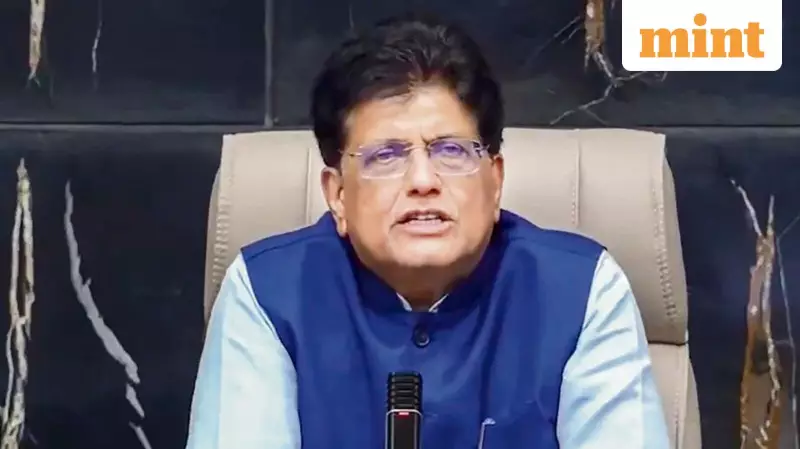
Minister of Commerce and Industry Piyush Goyal emphasized that there will be no cap on the number of Indian students enrolling in EU countries. "We would like to welcome European universities to come and set up campuses in India. And I would love to see in the future, as we have discussed, joint degrees," Goyal stated during a media briefing. He highlighted that approximately 121,000 Indian students are currently studying within the EU.
Ursula von der Leyen, President of the European Commission, affirmed this commitment, saying, "We will facilitate the movement of students, researchers, seasonal and highly skilled workers." To support this initiative, the EU is launching its first legal gateway office in India, serving as a one-stop hub to assist Indian talent moving to Europe in alignment with member states' needs and policies.

Foreign Secretary Vikram Misri clarified that the Memorandum of Understanding will streamline safe, regular migration and support skill development. "Today, the Indian diaspora in the EU is over a million people," he noted, explaining that the agreement will facilitate authorization of long-stay visas and residence permits for Indian nationals pursuing studies of at least one year.
Practical Implications for Students and Professionals
Overseas education consultants have outlined the immediate and long-term impacts of this agreement. Piyush Kumar, Regional Director for South Asia at IDP Education, observed, "In the short term, it expands access to research programmes and structured mobility routes, making European education more accessible. Over the long term, clearer recognition of qualifications and closer alignment between education and skills demand will position Europe as a consistent study and career destination for Indian students."
Namrata Pandey, founder of La Mentoraa, revealed that about 70% of her students have considered European countries as backup options if their US visa applications are denied. She pointed out the financial advantages, noting that while studying in the US and UK can cost around ₹60-65 lakh annually including accommodation, European programs typically range from ₹35-40 lakh per year for three to four-year degrees in fields like engineering and management in Germany, Italy, Spain, France, and the Netherlands.
Business and Professional Mobility Enhancements
The India-EU pact ensures temporary entry and stay for various professional categories, including:
- Business visitors
- Intra-corporate transferees
- Contractual service suppliers
- Independent professionals
The agreement particularly benefits sectors such as textiles, leather, footwear, marine, sports goods, toys, and gems and jewellery through tariff elimination, enhancing their competitiveness and supporting employment generation. Additionally, the framework facilitates the movement of employees from Indian corporations established in the EU across all services sectors, along with their spouses and dependents.
Atul Gupta, Partner in Labour and Employment at Trilegal, commented on the strategic timing, stating, "The EU is ostensibly taking a position that's exactly the opposite of the US, which is making it hard for non-US nationals to enter and remain in the US." However, he acknowledged that specific details about the EU Legal Office's support mechanisms remain to be clarified.

Broader Economic and Strategic Implications
The Indian government estimates that the FTA will foster technological mobility and collaborative partnerships. Minister Goyal highlighted opportunities in high-precision engineering, noting that European factories face challenges in capturing markets in regions like Africa, Latin America, and parts of Asia due to high labor costs or insufficient workforce availability.
"A joint partnership between Europe and India, to co-produce, co-manufacture, and leverage the technologies of Europe and the skill and talent of India working together as partners, will help European companies scale up and create a large number of jobs, both in the European Union and in India," Goyal elaborated.
This agreement represents a significant shift in global mobility patterns, offering Indian students and professionals expanded opportunities in Europe as alternatives to traditional destinations like the US, UK, Canada, and Australia, which have recently intensified scrutiny on international students.