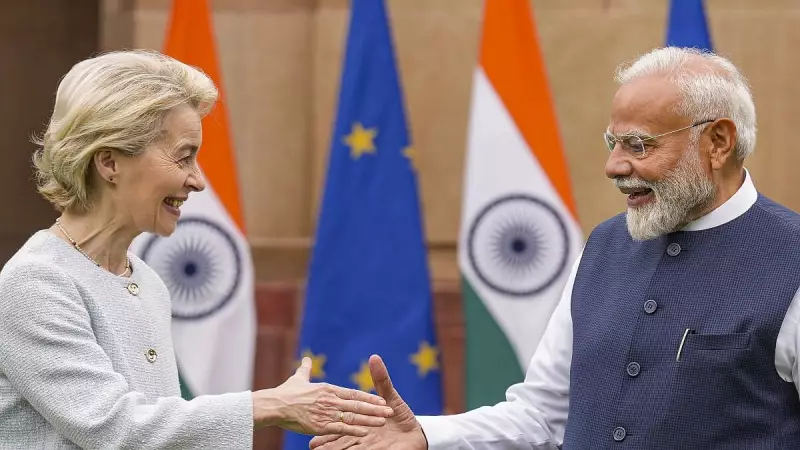
India and EU Advance Free Trade Agreement with Focus on Key Sectors
The ongoing negotiations between India and the European Union for a comprehensive Free Trade Agreement (FTA) are gaining momentum, with reports indicating that duty reductions on automobiles, wines, and labour-intensive sectors are likely to be central components of the deal. This potential agreement aims to enhance bilateral trade and economic cooperation between the two major economies.
Potential Duty Cuts on Automobiles and Wines
One of the key highlights of the proposed FTA is the possibility of significant tariff reductions on automobiles and wines. For the automotive sector, this could mean lower import duties on vehicles and components, potentially making European cars more affordable in the Indian market and boosting exports from India to the EU. Similarly, duty cuts on wines could open up new opportunities for European wine producers in India, while also benefiting Indian exporters of spirits and other beverages.
Focus on Labour-Intensive Industries
In addition to automobiles and wines, the FTA is expected to address labour-intensive sectors such as textiles, leather goods, and handicrafts. By reducing tariffs and non-tariff barriers, the agreement could provide a much-needed boost to these industries, which are crucial for employment and economic growth in India. This move aligns with India's strategy to leverage its comparative advantage in labour-intensive manufacturing.

Implications for Bilateral Trade and Economy
The inclusion of these sectors in the FTA could have far-reaching implications:
- Enhanced Market Access: Both India and the EU stand to gain from improved market access, with Indian products finding easier entry into European markets and vice versa.
- Economic Growth: The duty cuts are expected to stimulate trade, investment, and economic growth, benefiting businesses and consumers on both sides.
- Strategic Partnership: This FTA is part of a broader effort to strengthen the strategic partnership between India and the EU, covering areas beyond trade, such as digital cooperation and sustainability.
As negotiations continue, stakeholders are closely watching the developments, hoping for a balanced agreement that addresses the interests of both parties. The potential duty cuts on cars, wines, and labour-intensive sectors underscore the ambitious scope of the India-EU FTA, which could reshape economic ties in the coming years.