After nearly two decades of intensive negotiations, India and the 27-nation European Union have successfully finalized a comprehensive Free Trade Agreement, marking a historic milestone in bilateral trade relations. European Commission President Ursula von der Leyen has famously dubbed this pact the 'Mother of all deals', highlighting its unprecedented scale and potential impact on global commerce.
What This Landmark Deal Means for Indian Consumers
The newly signed agreement promises to bring a wave of more affordable European products to Indian markets, particularly benefiting shoppers who have long faced high prices for imported goods. By significantly slashing import duties across multiple sectors—with special emphasis on food and automobiles—the FTA will gradually reduce prices on numerous items over the coming years.
Major Tariff Reductions on Food Items
The agreement outlines substantial tariff cuts on over 90% of European Union goods, with many daily essentials seeing duties reduced by half or eliminated entirely. This represents a dramatic shift for European food exports that previously faced import duties ranging from 30% to 55%.

European officials estimate the tariff reductions will save EU exporters up to €4 billion annually, leading to a significant influx of affordable agricultural products into the Indian market.
Specific Food Items Becoming More Affordable
The tariff schedule reveals detailed reductions across various food categories:
- Olive oil and vegetable oils will see tariffs drop from 45% to 0% over a five-year period
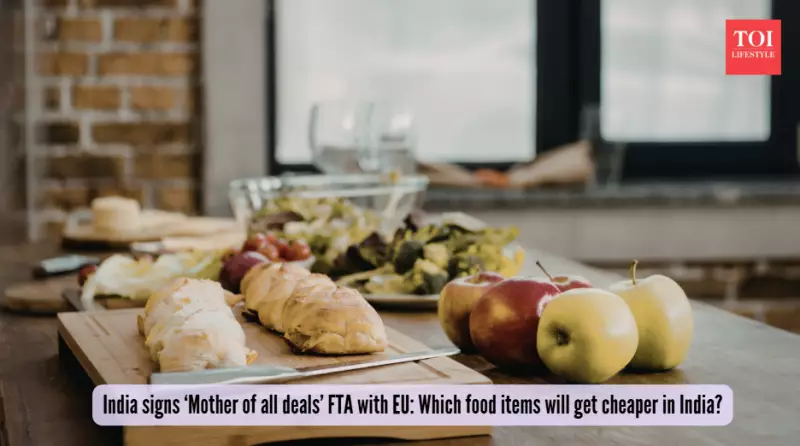
- Processed food items including pasta, biscuits, bread, chocolates, pastries, and pet food will become duty-free from previous tariffs as high as 50%
- Fruit juices and non-alcoholic beverages will be reduced to 0% duty from 55%
- Fresh fruits like kiwis and pears will see tariffs fall to 10% from 33% within specified quotas
- Meat products including sheep meat will become duty-free from 33%, while prepared meats like sausages will see tariffs halved to 50% from 110%
Impact on Indian Consumers and Culinary Landscape
Indian shoppers stand to gain significantly from this agreement, with premium European products becoming more accessible at lower price points. Consumers will enjoy greater freedom to experiment with flavors and expand their culinary horizons, particularly in fine dining and gourmet cooking.
The increased variety of affordable European food items means Indian households can access better quality options without paying luxury prices, potentially transforming everyday cooking and dining experiences across the country.
India's Expanding Free Trade Network
With this landmark agreement, the European Union becomes India's 22nd free trade partner, continuing a pattern of expanding international trade relationships. Since 2014, the NDA government has successfully concluded trade pacts with several nations including Mauritius, the United Arab Emirates, the United Kingdom, the European Free Trade Association (EFTA), Oman, and Australia.
Additionally, the government has announced progress toward an agreement with New Zealand, building on last year's successful deals with Oman and the UK. This strategic expansion of free trade partnerships reflects India's growing role in global commerce and its commitment to securing favorable terms for both exporters and consumers.
The India-EU Free Trade Agreement represents not just an economic arrangement but a significant step toward deeper international cooperation, promising tangible benefits for millions of Indian consumers while strengthening economic ties between two of the world's largest democratic entities.