India and European Union Forge Historic Free Trade Agreement, PM Modi Sets Ambitious 2026 Deadline
In a landmark development for India's economic diplomacy, Prime Minister Narendra Modi has officially announced the finalization of the India-European Union Free Trade Agreement (FTA), heralding it as the largest trade deal in the nation's history. This strategic pact marks a significant milestone in India's global trade relations, with the Prime Minister emphasizing its potential to reshape economic landscapes and reinforce India's position on the world stage.
PM Modi's Strong Message on Global Trade and Economic Sovereignty
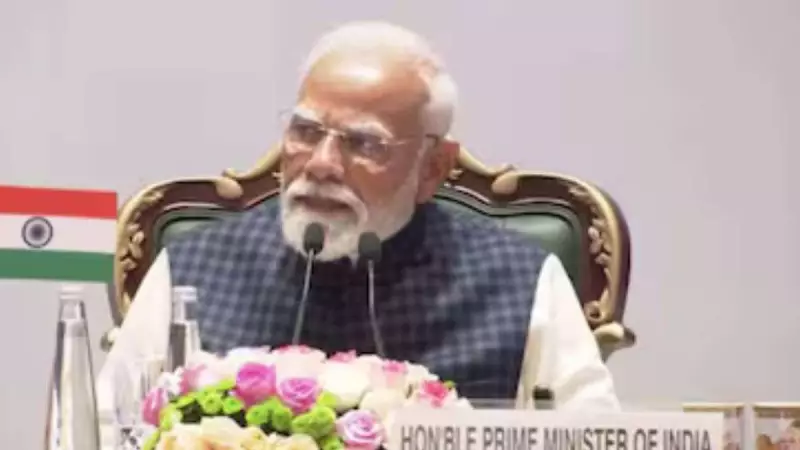
Following the announcement, Prime Minister Modi delivered a powerful address, underscoring the FTA's role in sending a strong message about India's commitment to fostering robust international partnerships. He highlighted that this agreement is not merely a trade deal but a testament to India's growing economic clout and its ability to negotiate favorable terms with major global blocs. The Prime Minister's remarks focused on how the FTA will enhance market access, reduce tariffs, and create a more predictable trading environment, thereby boosting investor confidence and economic growth.
"This agreement symbolizes a new era of cooperation and mutual prosperity between India and the European Union," Modi stated, adding that it aligns with India's vision of becoming a $5 trillion economy. The deal is expected to cover a wide range of sectors, including:

- Goods and Services: Facilitating smoother trade flows and reducing barriers.
- Digital Economy: Promoting innovation and technology exchanges.
- Sustainable Development: Incorporating environmental and labor standards.
Key Details and Implementation Timeline Targeting 2026
The India-EU FTA has been in negotiations for several years, with both sides working diligently to address complex issues such as intellectual property rights, agricultural subsidies, and data localization. According to official sources, the agreement is now set for a phased implementation, with a target completion date of 2026. This timeline allows for necessary domestic approvals and regulatory adjustments in both India and the EU member states.
Key aspects of the deal include:
- Tariff Reductions: Gradual elimination of duties on a majority of traded goods.
- Investment Protections: Enhanced safeguards for cross-border investments.
- Dispute Resolution Mechanisms: Establishing clear frameworks to handle trade conflicts.
Economists predict that the FTA could increase bilateral trade by billions of dollars, benefiting industries like pharmaceuticals, textiles, and information technology. It also positions India as a key partner in the EU's strategy to diversify supply chains away from over-reliance on single regions.
Broader Implications for India's Economic and Geopolitical Strategy
This historic trade deal extends beyond mere economic metrics; it carries profound geopolitical significance. By strengthening ties with the European Union, India aims to counterbalance other global powers and enhance its strategic autonomy. The FTA is seen as a crucial component of India's broader foreign policy, which seeks to build resilient partnerships in a multipolar world.
Furthermore, the agreement is expected to spur job creation, foster technological collaboration, and promote sustainable practices. As India moves towards the 2026 implementation target, stakeholders from both sides will need to engage in continuous dialogue to ensure smooth adoption and maximize the deal's benefits.
In conclusion, the India-EU FTA represents a transformative step in India's trade history, with Prime Minister Modi's leadership playing a pivotal role in its realization. As the nation gears up for this new chapter, the focus will remain on leveraging the agreement to drive inclusive growth and solidify India's status as a global economic powerhouse.