Negotiations for a comprehensive Free Trade Agreement (FTA) between India and the European Union have taken a significant step forward. High-level discussions held recently have narrowed down differences on several critical issues, bringing the long-pending deal closer to reality.
High-Level Meeting Bridges Key Gaps
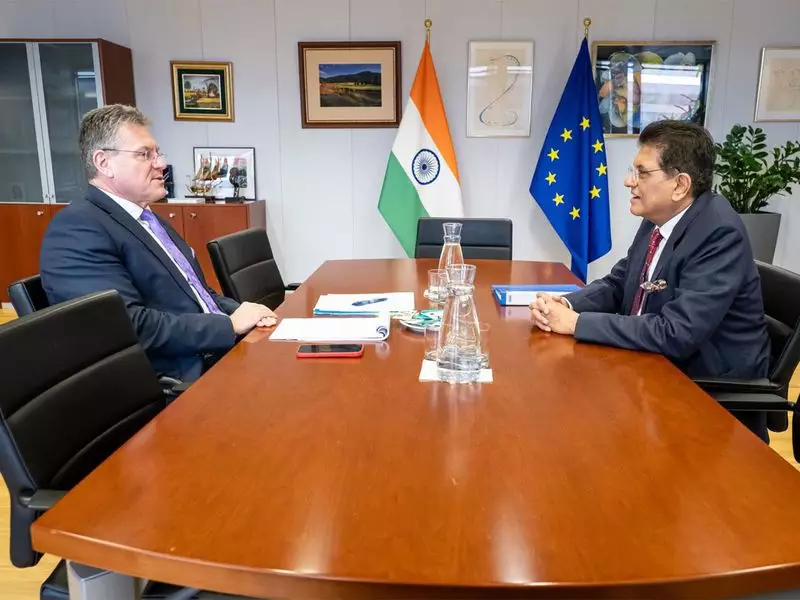
The momentum was achieved during a pivotal meeting between India's Commerce and Industry Minister, Piyush Goyal, and the European Union's Executive Vice-President and Trade Commissioner, Valdis Dombrovskis. The talks, which took place on the sidelines of a G7 trade ministers' meeting in Japan, focused on resolving outstanding matters that have delayed the pact for over a decade.
Both leaders acknowledged the substantial progress made and expressed a strong political commitment to concluding a balanced and mutually beneficial agreement. A joint statement highlighted that the negotiations will now continue at a rapid pace, with the next round of talks scheduled for June.

Protecting Sensitive Sectors: A Top Priority
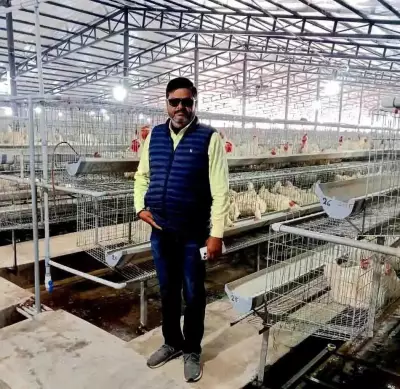
A central theme of the discussions was safeguarding the interests of vulnerable segments of the Indian economy. Minister Goyal firmly emphasized the need for the FTA to include robust protections for India's farmers and micro, small, and medium enterprises (MSMEs).
This stance addresses domestic concerns about potential market flooding from heavily subsidized European agricultural products. Similarly, measures are being discussed to ensure Indian MSMEs, which form the backbone of the economy, are not disadvantaged by the agreement and can benefit from enhanced market access.
On the EU side, Commissioner Dombrovskis stressed the importance of the deal being "fair, ambitious, and balanced". The European bloc is particularly keen on securing significant reductions in tariffs for its automobiles, wines, spirits, and dairy products entering the Indian market. They are also pushing for strong provisions on sustainable development.
The Road Ahead and Strategic Importance
The renewed vigor in the India-EU FTA talks is part of a broader strategic alignment. Both economic powers are looking to diversify supply chains and reduce excessive dependencies, a lesson underscored by recent global disruptions. For the EU, India represents a massive, growing market and a democratic counterweight in Asia. For India, the agreement promises deeper integration into a high-value market of 450 million consumers and increased foreign investment.
Key technical areas where progress is being made include:
- Market Access for Goods: Negotiating tariff reduction schedules for industrial and agricultural products.
- Services and Investment: Facilitating easier movement of professionals and protecting investments.
- Intellectual Property Rights (IPR): Finding common ground on patents and geographical indications.
- Rules of Origin: Defining what constitutes a product made in India or the EU to prevent third-party dumping.
While challenges remain, the political will demonstrated by both sides suggests a conclusion is possible within a foreseeable timeframe. A successful India-EU FTA has the potential to boost bilateral trade far beyond the current level of over $130 billion, creating jobs and fostering innovation in both economies.