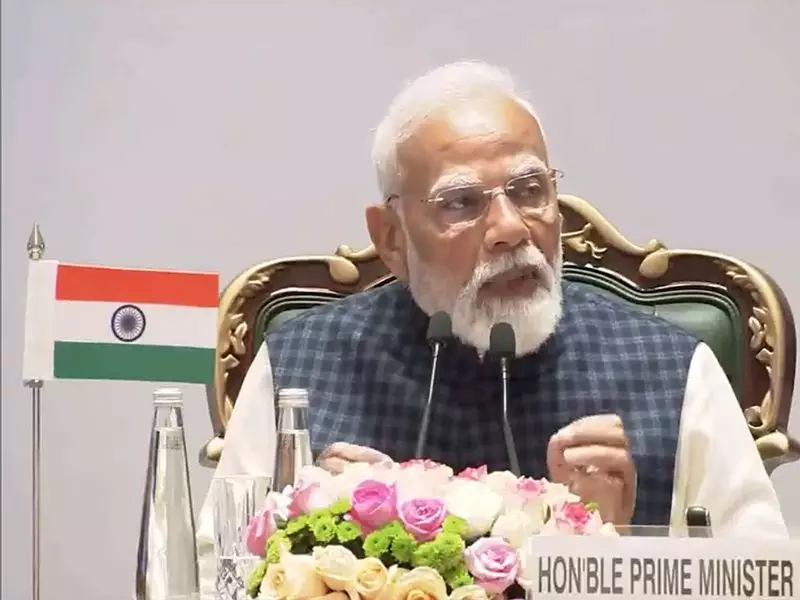
Prime Minister Narendra Modi has emphasized the significant benefits that the proposed India-European Union Free Trade Agreement (FTA) will bring to India's economy, particularly for its labor-intensive sectors. According to the Prime Minister, this landmark trade pact is poised to provide Indian products, especially those from labor-intensive industries, with easier and more streamlined access to the vast European Union market.
Boosting Exports and Economic Growth
The India-EU FTA is expected to serve as a crucial catalyst for enhancing bilateral trade relations between India and the European Union. By reducing tariffs and eliminating non-tariff barriers, the agreement will create a more favorable environment for Indian exporters. This move is anticipated to significantly boost India's export volumes, thereby contributing to overall economic growth and job creation within the country.
Focus on Labor-Intensive Industries
Prime Minister Modi specifically highlighted the positive impact on labor-intensive industries such as textiles, handicrafts, leather goods, and agricultural products. These sectors, which employ a large portion of India's workforce, stand to gain immensely from improved market access in Europe. The FTA is designed to address key challenges faced by these industries, including high import duties and complex regulatory requirements, making it easier for them to compete on the global stage.

Strengthening Strategic Partnerships
Beyond economic benefits, the India-EU FTA is seen as a strategic step towards deepening the partnership between India and the European Union. It reflects a mutual commitment to fostering sustainable trade practices and enhancing cooperation in various domains. The agreement is expected to pave the way for increased investments, technology transfers, and collaborative initiatives that will benefit both regions in the long term.
Challenges and Opportunities Ahead
While the prospects are promising, the negotiation and implementation of the FTA come with their own set of challenges. Issues such as intellectual property rights, environmental standards, and labor regulations will need to be carefully addressed to ensure a balanced and equitable agreement. However, with proactive dialogue and mutual understanding, these hurdles can be overcome, unlocking new opportunities for trade and innovation.
In conclusion, Prime Minister Narendra Modi's remarks underscore the transformative potential of the India-EU Free Trade Agreement. By facilitating easier access for India's labor-intensive products in the European Union market, this pact holds the promise of driving economic prosperity, creating employment, and strengthening international ties. As negotiations progress, stakeholders remain optimistic about the positive outcomes that this agreement will bring to both India and the European Union.