

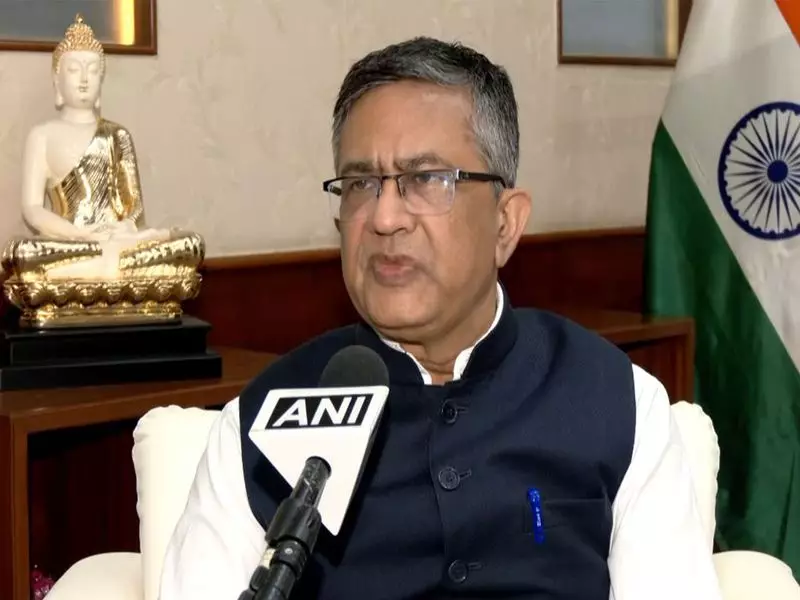
India-EU Free Trade Agreement Set to Boost Labour-Intensive Sectors, Says NSE MD Ashish Chauhan
The proposed Free Trade Agreement (FTA) between India and the European Union is poised to deliver significant benefits to India's labour-intensive sectors, according to Ashish Chauhan, Managing Director and CEO of the National Stock Exchange (NSE). In a recent statement, Chauhan emphasized that this landmark trade deal could enhance export opportunities and create employment in key industries that rely heavily on manual labour.
Key Sectors to Gain from the FTA
Chauhan identified several sectors that stand to gain substantially from the India-EU FTA. These include:
- Textiles and Apparel: This sector, which employs millions of workers across India, is expected to see a surge in demand from European markets due to reduced tariffs and improved market access.
- Leather and Footwear: With the EU being a major consumer of leather goods, the FTA could open up new avenues for Indian manufacturers, boosting exports and supporting local artisans.
- Agriculture and Processed Foods: Labour-intensive agricultural products and food processing industries may benefit from streamlined regulations and increased export quotas to the EU.
- Handicrafts and Small-Scale Industries: These sectors, which often involve skilled manual labour, could gain from enhanced trade facilitation and recognition of India's traditional crafts in European markets.
Chauhan noted that the FTA is designed to address non-tariff barriers and promote sustainable trade practices, which could further bolster these sectors by ensuring compliance with international standards.

Economic and Employment Implications
The India-EU FTA is anticipated to have a profound impact on India's economy, particularly in terms of job creation and economic growth. Chauhan highlighted that by increasing exports from labour-intensive sectors, the agreement could:
- Generate Employment: As demand for Indian goods rises in the EU, companies in sectors like textiles and leather may expand their operations, leading to more job opportunities for skilled and unskilled workers.
- Boost GDP: Enhanced trade with the EU, one of India's largest trading partners, could contribute to higher economic output and strengthen India's position in the global market.
- Promote Inclusive Growth: By focusing on sectors that employ a large workforce, the FTA aims to support rural and semi-urban communities, fostering more equitable economic development.
Chauhan also pointed out that the FTA could encourage foreign direct investment (FDI) into these sectors, as European companies seek to partner with Indian firms to leverage cost advantages and skilled labour.
Challenges and Opportunities Ahead
While the benefits are promising, Chauhan acknowledged that implementing the India-EU FTA will require careful navigation of challenges such as:
- Regulatory Harmonization: Aligning Indian standards with EU regulations to ensure smooth market access without compromising quality.
- Infrastructure Development: Improving logistics and supply chain infrastructure to handle increased trade volumes efficiently.
- Skill Enhancement: Investing in workforce training to meet the demands of higher-quality production and export-oriented growth.
Despite these hurdles, Chauhan expressed optimism that the FTA, once finalized, will serve as a catalyst for transforming India's labour-intensive industries. He urged stakeholders, including policymakers and business leaders, to collaborate in maximizing the agreement's potential for long-term economic prosperity.
In conclusion, the India-EU Free Trade Agreement represents a strategic opportunity to revitalize key sectors of the Indian economy. With insights from leaders like Ashish Chauhan, it is clear that this trade deal could pave the way for enhanced competitiveness, job creation, and sustainable growth in the years to come.






