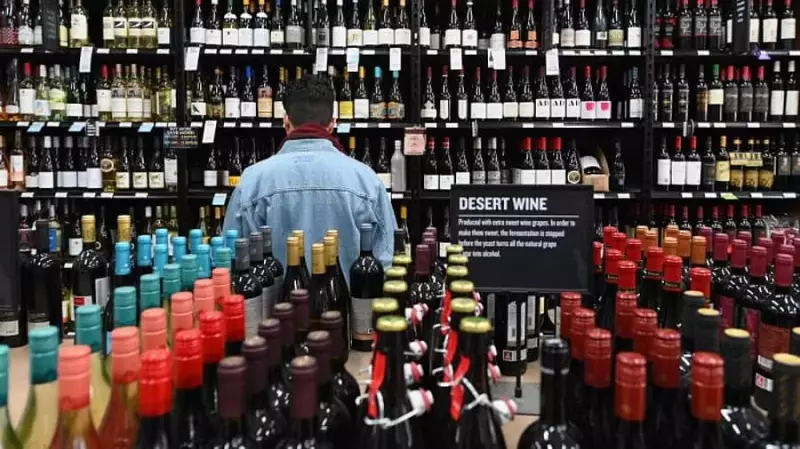
India-EU Free Trade Agreement to Make European Wines More Affordable
The long-awaited Free Trade Agreement (FTA) between India and the European Union is set to bring significant changes to the import landscape for European wines. Under this landmark trade deal, import duties on wines from EU countries will be substantially reduced, making these premium beverages more accessible and affordable for Indian consumers. This move is expected to not only lower prices but also enhance the variety and quality of wines available in the Indian market.
Key Provisions of the Trade Agreement
The India-EU FTA includes specific provisions aimed at easing trade barriers for alcoholic beverages, with a particular focus on wines. Currently, India imposes high import duties on foreign wines, which can make them prohibitively expensive for many consumers. The new agreement will slash these duties, allowing European winemakers to compete more effectively in the growing Indian market. This reduction is part of a broader effort to strengthen economic ties between India and the EU, fostering greater bilateral trade and investment.
Impact on Indian Consumers and the Market
For Indian wine enthusiasts and casual drinkers alike, the lower import duties will translate into more affordable prices for European wines. This could lead to increased consumption and a shift in consumer preferences towards higher-quality imported options. Additionally, the agreement is likely to spur competition among domestic and international wine producers, potentially driving innovation and improving overall standards in the Indian wine industry. Retailers and hospitality sectors are also expected to benefit from the wider selection and better pricing.

Broader Economic and Trade Implications
Beyond the immediate benefits for consumers, the India-EU FTA represents a significant step forward in India's trade diplomacy and economic strategy. By reducing tariffs on European wines, India aims to secure better access for its own exports to the EU, such as textiles, pharmaceuticals, and agricultural products. This reciprocal approach is designed to create a win-win situation, boosting trade volumes and strengthening the economic partnership between the two regions. The agreement underscores India's commitment to engaging with global markets and enhancing its trade relations.
Future Prospects and Challenges
While the reduction in import duties is a positive development, challenges remain in terms of regulatory compliance, quality standards, and market adaptation. European winemakers will need to navigate India's complex regulatory environment and consumer preferences to fully capitalize on the new opportunities. On the other hand, Indian authorities must ensure that the influx of imported wines does not adversely affect domestic producers. Overall, the India-EU FTA is poised to reshape the wine market in India, offering consumers more choices at better prices while fostering stronger economic ties with Europe.