India-EU FTA: Will European Luxury Cars Actually Get Cheaper in India?
The formal completion of negotiations for the long-awaited India-European Union Free Trade Agreement (FTA) has sparked widespread anticipation about more affordable European luxury cars in the Indian market. The headline figure that caught everyone's attention is the progressive reduction of tariffs on European-made cars imported into India from the current 110% to a mere 10%. However, industry insiders and automotive executives are cautioning that the actual ground effects may not be as pronounced as the tariff structure suggests.
Understanding the Duty Structure: CBU vs. CKD
To comprehend the potential impact on car prices, it's crucial to examine the duty structure on vehicles sold in India. The dramatic tariff reduction from 110% to 10% applies specifically to Completely Built Units (CBUs) – cars that are not manufactured in India and are entirely imported from elsewhere. This represents only a small fraction of European cars currently available in the country.
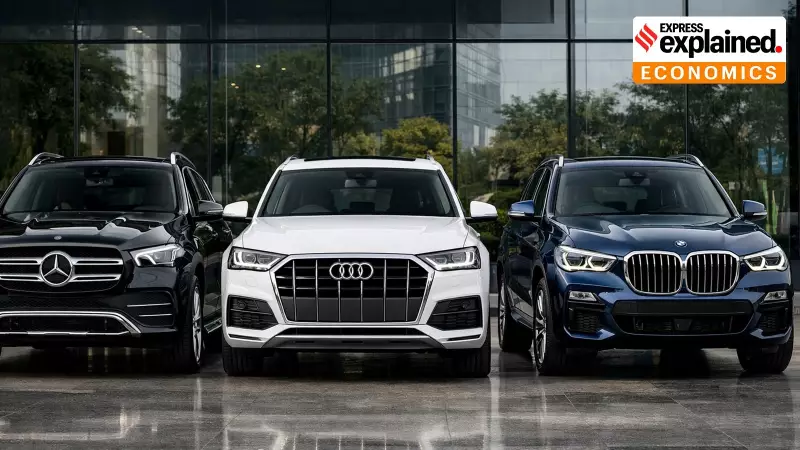
More than 90% of European cars sold in India are assembled locally as Completely Knocked Down (CKD) units. For these vehicles, manufacturers import kits and assemble them in Indian facilities. The current duty on importing CKD kits stands at approximately 16-17%, significantly lower than the headline CBU tariff. Consequently, for major luxury brands like Mercedes, Audi, and BMW, their vehicles might not become cheaper by much, or at all, since they already benefit from the lower CKD duty structure.

Industry Perspectives and Market Realities
Santosh Iyer, Managing Director and CEO of Mercedes-Benz India, provided clear insight: "With more than 90% of Mercedes-Benz India's sales volume comprising 'Made in India' locally manufactured models, and only approximately 5% of sales coming via CBU imports from the EU, we do not foresee any price reduction for Mercedes-Benz vehicles from the FTA in the foreseeable future."
Balbir Singh Dhillon, Brand Director at Audi India, offered a more cautious assessment: "Any implications for pricing and market can only be assessed once the final terms are available and carefully reviewed, including the timeframe of implementation. Until then, it would be premature to draw conclusions on specific commercial or product strategies."
Which Cars Might Actually See Price Reductions?
While mass-market European luxury cars may not experience significant price changes, certain segments could benefit:
- Ultra High-End Vehicles: Brands like Porsche, Lamborghini, and Ferrari, which are not manufactured or assembled in India, could see some price reductions since they are imported as CBUs.
- Specific Performance Models: Certain models from more accessible brands, such as the Volkswagen Golf GTI or Skoda Octavia RS, might become more affordable if imported as CBUs.
However, industry sources emphasize that for the high-end luxury market, price reductions don't automatically follow tariff cuts. The sticker price often serves as a strategic element to signal premium positioning and exclusivity.
Additional Factors Influencing Pricing
Beyond tariff structures, several other elements could affect the final pricing of European cars in India:

- Currency Fluctuations: The Rupee's depreciation against the Euro could offset potential benefits from lower import duties. One senior industry executive noted: "Rupee depreciated by 19% in 2025 compared with the Euro, and this is expected to erode any benefit arising from lower duty import for CBUs in the next couple of years."
- Domestic Market Competition: Indian auto stocks reacted negatively to the FTA announcement, with shares of Mahindra falling 4.3%, Hyundai dropping 3.6%, Maruti declining 1.5%, and Tata decreasing by approximately 1%. Investors are concerned about increased competition from European manufacturers in the upmarket segment.
A Significant Diplomatic Achievement
Despite the nuanced impact on car pricing, the India-EU FTA represents a substantial diplomatic and economic milestone. The agreement has reached conclusion after decades of negotiations, with the first round of talks initiated in 2007. The automotive segment, particularly tariffs on cars and car parts, was historically one of the most politically sensitive topics from India's perspective.
The successful negotiation amid current geopolitical headwinds, especially as the United States approaches a potential FTA with New Delhi cautiously, sends a strong signal about India's growing economic partnerships. Both sides have emphasized "complementary factors" – recognizing India's strength in small, affordable vehicles and Europe's expertise in larger, luxury automobiles.
While the tariff reduction from 110% to 10% creates headlines, the actual impact on European luxury car prices in India will be more nuanced than initially anticipated. Local assembly practices, currency dynamics, and market positioning strategies will all play crucial roles in determining whether Indian consumers will see significantly cheaper European vehicles in showrooms.