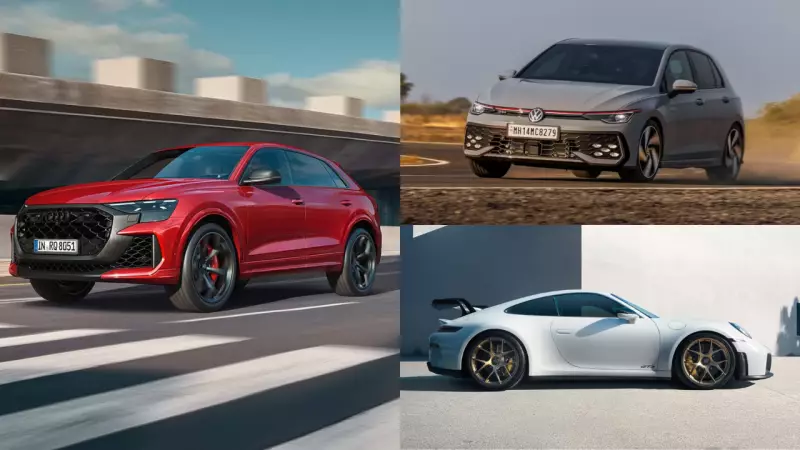
In a landmark development for the Indian automotive sector, India and the European Union have successfully concluded negotiations on a comprehensive free trade agreement that promises to dramatically reshape the country's car import landscape. The pact, which has been in discussion for years, centers on a substantial reduction of import duties on completely built vehicles, potentially making premium European brands significantly more accessible to Indian consumers.
From 110% to 40%: A Transformative Duty Cut
Currently, India imposes steep import tariffs on fully built cars, with rates ranging from 70 percent to as high as 110 percent, depending on various factors including engine capacity and value. This high tariff structure has long been a barrier to price competitiveness for imported vehicles. Under the newly finalized India–EU Free Trade Agreement (FTA), these peak tariffs are set to be slashed to approximately 40 percent.
It is important to note that these changes will not be implemented immediately. The agreement is structured to be rolled out in phases over the next one to two years. The initial phase will see import duties reduced to the 40 percent threshold, with a longer-term roadmap to gradually bring them down further, potentially to as low as 10 percent over time.

Phased Implementation and Key Exclusions
The phased approach means consumers will need to wait for the benefits. In the first phase, the reduced duty is expected to apply specifically to fully built cars with a price tag above 15,000 euros, which translates to roughly Rs 16.3 lakh. This threshold ensures the initial impact is felt more in the premium and luxury segments.
According to reports, around 2.5 lakh cars imported annually could become eligible for these duty concessions once the deal is fully operational. However, a significant exclusion has been noted: electric vehicles (EVs) are anticipated to remain outside the purview of these FTA benefits for the initial five-year period. This reflects a strategic consideration for the domestic EV manufacturing ecosystem.
Widening the Market: From Luxury to Performance
The implications of this duty reduction are vast, spanning both the ultra-luxury and more accessible performance segments of the market. A host of completely imported models from renowned European manufacturers are poised to become more affordable, enhancing consumer choice in a market that has traditionally relied heavily on imports for such vehicles.
The list of potential beneficiaries is extensive and includes marques from Germany and Italy:
- German Powerhouses: Models from Mercedes-Benz (including the AMG G63, G400d, AMG S 63 E Performance, and Maybach S-Class S680), BMW (M4, M5, M8, XM hybrid SUV, Z4 roadster), Audi (Q8, RS Q8, RS5 Sportback, RS7, A8 L), and the entire ICE lineup from Porsche (911, 718 Boxster/Cayman, Panamera, Macan, Cayenne) could see notable price reductions.
- Accessible Performance: Cars like the Skoda Octavia vRS, Volkswagen Golf GTI, Tiguan R-Line, and the upcoming Tayron R-Line may also benefit, bringing European performance closer to a wider audience.
- Italian Exotics: High-end imports from Italian brands are set for similar gains. Lamborghini's complete India portfolio—including the Urus, Revuelto, and Huracan—sourced directly from Italy, along with models from Ferrari and Maserati, could become more attainable for enthusiasts.
Beyond Complete Cars: A Boost for Components
The agreement's scope extends beyond finished vehicles. It also includes a focused plan to lower and eventually phase out duties on automotive parts and components over the next five to ten years. This move is expected to make imported components and spare parts more affordable over the long term, potentially reducing maintenance and repair costs for owners of European cars and benefiting the automotive aftermarket industry.
This comprehensive India-EU trade pact marks a significant step towards greater market integration. By improving price competitiveness and widening the array of options for Indian car buyers, it is poised to inject fresh dynamism into the country's automotive sector, while also strengthening economic ties between India and the European Union.