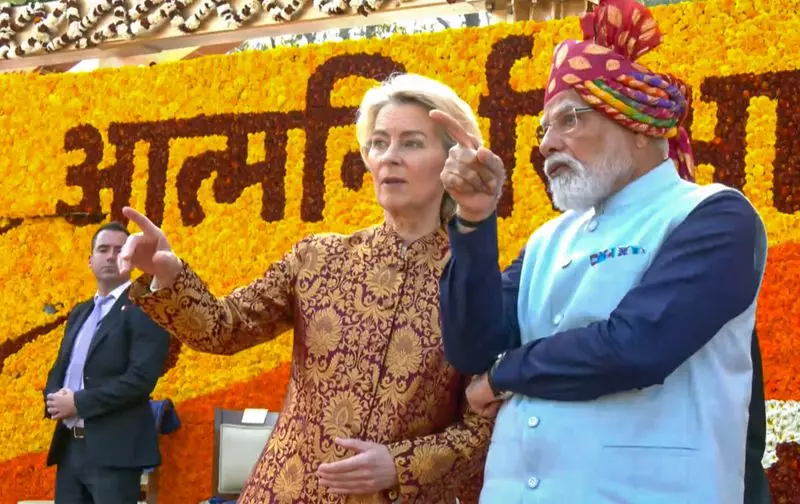
In a significant development for global trade dynamics, India and the European Union have officially sealed a landmark free trade agreement after extensive negotiations. This comprehensive pact is poised to reshape economic relations between the two major economies, with officials announcing that the signing ceremony is scheduled to take place at an early date.
A New Chapter in Economic Cooperation
The agreement represents a pivotal moment in India's trade policy, aligning with its broader strategy to enhance international partnerships and stimulate economic growth. By reducing tariffs and eliminating trade barriers, the deal aims to create a more seamless flow of goods and services between India and the EU member states.
Key Benefits and Implications
This free trade agreement is expected to deliver substantial advantages for both parties. For India, it opens up access to the vast European market, potentially boosting exports in sectors such as textiles, pharmaceuticals, and information technology. Conversely, European companies stand to gain from increased opportunities in India's burgeoning consumer market and manufacturing landscape.

The timing of this agreement is particularly noteworthy, as it comes amid shifting global trade patterns and a push for greater economic resilience. By strengthening ties with the EU, India aims to diversify its trade portfolio and reduce dependency on any single region.
Next Steps and Implementation
With the negotiations now concluded, focus shifts to the formal signing process, which is anticipated to occur swiftly. Following the signing, both sides will work on ratifying the agreement and implementing the stipulated measures. This includes establishing mechanisms for dispute resolution, monitoring trade flows, and ensuring compliance with international standards.
The successful conclusion of these talks underscores the commitment of both India and the EU to fostering a robust and mutually beneficial economic partnership. As the world watches, this agreement could serve as a model for future trade deals, emphasizing cooperation over protectionism.
In summary, the India-EU free trade agreement marks a historic achievement that promises to enhance bilateral trade, drive investment, and contribute to economic stability in the region. Stakeholders from various industries are eagerly awaiting the official signing, which is expected to unlock new opportunities and propel growth in the coming years.