The recently signed India-European Union trade agreement has sparked optimism across export-oriented industries in Haryana, particularly in the textile and handloom hub of Panipat. This landmark pact, finalized on Tuesday, promises to revitalize a sector that has faced significant challenges in recent months.
Zero Tariff Advantage for Textile Exports
Under the new trade agreement, textiles and apparel exports from India will benefit from zero customs duty when entering EU markets. This eliminates previous tariffs that ranged up to 12%, substantially enhancing the competitiveness of Indian products in European countries. The timing of this development is particularly crucial for Panipat's export houses, which have been struggling with reduced business volumes.
Recovery from US Tariff Setbacks
Panipat's textile industry had been experiencing severe difficulties following tariff increases imposed by the United States over the past six months. These higher tariffs dramatically impacted export figures, with annual turnover plummeting from approximately Rs 18,000 crore to just Rs 5,000 crore. Much of the remaining business was limited to fulfilling old orders and commitments made before the tariff implementation.

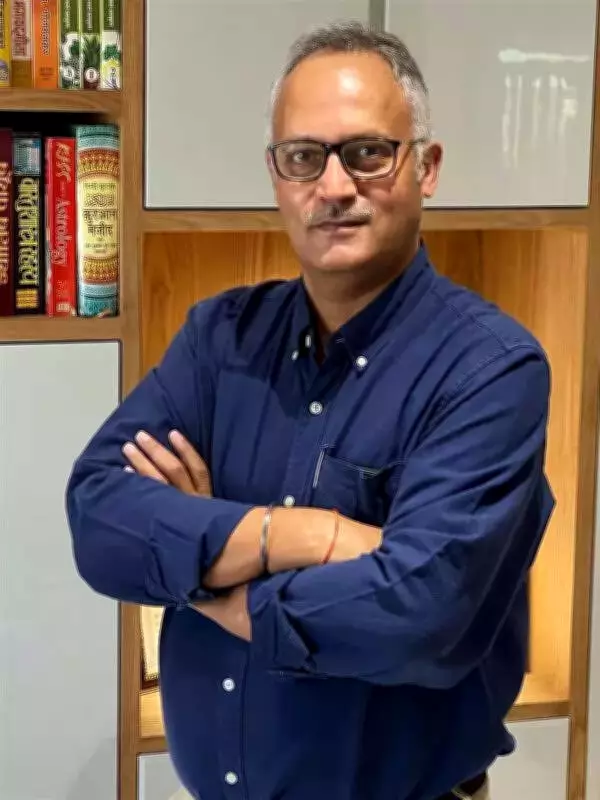
Vidhu Paliwal, general secretary of the Exporters Association of Panipat, explained the situation: "The US represented a major export market for our handloom products, blankets, and home décor items. The India-EU pact is expected to encourage new trade linkages in textiles. We are hopeful of relief through lower tariffs on both imports and exports, which will give a fresh direction to exporters."
Industry Leaders Seek Government Support
Export industry representatives have been actively engaging with government authorities to maximize the benefits of the new trade agreement. Nitin Arora, president of the Panipat Dyers' Association, expressed optimism about future prospects: "Exporters are now hopeful of greater facilitation from the Centre and the Haryana government to tap EU markets. As ancillaries to export houses, this development gives us new hope. Until now, we were in a fix."
Demand for Nodal Officer Appointment
Arora and Paliwal recently submitted memorandums to Haryana Chief Minister Nayab Saini, reiterating their request for the appointment of a dedicated nodal officer for export houses in Panipat. Paliwal emphasized the importance of this administrative support: "While the government is supportive of exports, a nodal officer would help streamline procedures, especially in the wake of this new treaty."
Broader Impact Across Haryana Industries
The positive effects of the India-EU trade agreement extend beyond Panipat's textile sector. Several other industrial clusters in Haryana are anticipating significant benefits:
- The shoe and leather complex in Bahadurgarh expects enhanced export opportunities
- Automotive sector businesses in Faridabad and Gurugram foresee improved market access
- Apparel manufacturers across the region anticipate increased competitiveness in European markets
This comprehensive trade agreement represents a strategic shift in India's export policy, potentially rebalancing trade relationships that had become overly dependent on the US market. The zero-tariff arrangement with the EU creates new avenues for growth at a critical time for India's export-oriented industries.