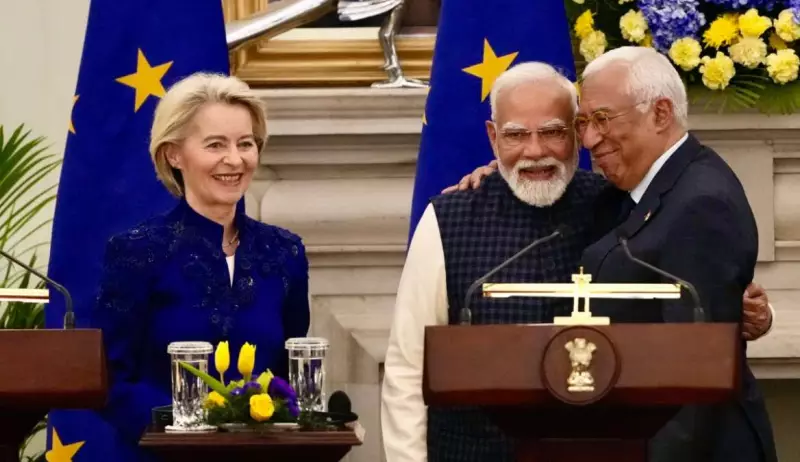
India-EU Trade Deal: A New Era of Economic Cooperation and Consumer Benefits
The landmark trade agreement between India and the European Union, set to take effect from 2026, marks a significant milestone in international economic relations. This comprehensive deal is poised to reshape trade dynamics, offering tangible benefits for Indian consumers and businesses alike. By fostering deeper economic integration, the pact aims to enhance bilateral ties and drive growth across multiple sectors.
What Gets Cheaper for Indian Consumers
Under the terms of the India-EU trade deal, tariffs on a wide range of European imports will be substantially reduced or eliminated. This will lead to lower prices for Indian consumers on several key products:
- Electronics and Gadgets: High-end smartphones, laptops, and other electronic devices from European brands will become more affordable due to reduced import duties.
- Automobiles: Luxury and premium cars manufactured in the EU will see price drops, making them accessible to a broader segment of the Indian market.
- Wine and Spirits: Imported wines, champagnes, and spirits from European countries will be cheaper, benefiting enthusiasts and the hospitality industry.
- Fashion and Apparel: Designer clothing, accessories, and luxury goods from European fashion houses will be more competitively priced.
- Dairy and Processed Foods: Select dairy products and processed food items from the EU will become more economical for Indian households.
These reductions are expected to stimulate demand, increase consumer choice, and enhance the overall shopping experience in India.

Why the India-EU Trade Deal Matters
The significance of this trade agreement extends far beyond immediate consumer savings. It represents a strategic move with long-term implications for India's economy and global standing:
- Boost to Exports: Indian exporters will gain improved access to the vast European market, particularly in sectors like textiles, pharmaceuticals, and IT services. This could lead to increased revenue and job creation.
- Economic Growth: By facilitating smoother trade flows and reducing barriers, the deal is projected to contribute to India's GDP growth and attract foreign investment.
- Strengthened Diplomatic Ties: The agreement underscores a commitment to stronger bilateral relations, fostering collaboration on global issues and regional stability.
- Competitive Advantage: Indian businesses will benefit from technology transfers and best practices from European counterparts, enhancing productivity and innovation.
- Global Trade Positioning: This deal positions India as a key player in international trade negotiations, aligning with efforts to diversify economic partnerships beyond traditional allies.
Implementation and Future Prospects
Scheduled for implementation in 2026, the India-EU trade deal involves phased tariff reductions and regulatory harmonization. Both parties are expected to work closely to address any challenges, such as compliance with quality standards and intellectual property rights. The success of this pact could pave the way for similar agreements with other regions, further integrating India into the global economy.
In summary, the India-EU trade deal is a transformative initiative that promises to lower costs for consumers, stimulate economic activity, and reinforce India's role on the world stage. As 2026 approaches, stakeholders across industries are preparing to capitalize on the new opportunities it brings.