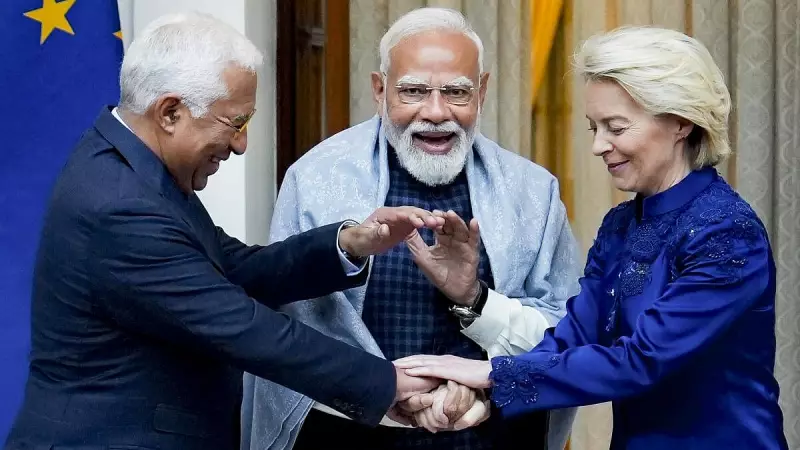
India-EU Free Trade Agreement: A Comprehensive Look at Tariff Changes
The landmark free trade agreement between India and the European Union, often dubbed the 'mother of all deals,' is set to reshape bilateral commerce. As negotiations conclude, consumers and businesses are keenly watching which sectors will benefit from reduced tariffs and which will remain protected. This agreement represents a significant step in strengthening economic ties between two major global players.
What Gets Cheaper: Key Sectors with Reduced Tariffs
Several industries are poised to see immediate benefits from the tariff reductions outlined in the deal. Here are the primary areas where costs are expected to drop:
- Automobiles: Tariffs on automobiles, including cars and commercial vehicles, will be significantly lowered. This move is anticipated to make European vehicles more affordable in the Indian market, potentially boosting sales and offering consumers a wider range of options.
- Processed Foods and Beverages: The agreement includes provisions to reduce tariffs on various processed food items and beverages. This could lead to lower prices for imported European gourmet products, wines, and packaged foods, making them more accessible to Indian consumers.
- Medical Sector: A boost for the medical sector is expected, with tariffs on medical devices, pharmaceuticals, and healthcare equipment being reduced. This could enhance access to advanced medical technologies and potentially lower healthcare costs in India.
- Oil and Energy Products: Tariffs on certain oil and energy-related products are set to decrease, which might translate to lower costs for industrial and consumer energy needs, though the impact on retail fuel prices may be indirect.
What Has Been Left Out: Sensitive Sectors Protected
While the deal offers broad tariff reductions, some sensitive sectors have been excluded to protect domestic industries and interests. These exclusions are crucial for maintaining economic stability and supporting local businesses:

- Agriculture and Dairy: Key agricultural products and dairy items have been left out of the tariff reductions. This decision aims to shield Indian farmers from increased competition and preserve food security.
- Textiles and Apparel: The textile and apparel sector, a significant contributor to India's economy, remains largely protected. Tariffs on these goods are maintained to support domestic manufacturing and employment.
- Certain Manufacturing Goods: Some specific manufacturing sectors, such as small-scale industries and handicrafts, have been excluded to prevent market disruption and encourage local entrepreneurship.
Implications for Consumers and Businesses
The India-EU free trade agreement is expected to have mixed effects on wallets and business operations. On one hand, consumers may enjoy lower prices on imported automobiles, processed foods, and medical products. On the other hand, the exclusion of sensitive sectors means that certain goods, like agricultural products and textiles, will not see price reductions, potentially keeping costs stable in these areas.
For businesses, the deal opens up new opportunities in sectors with reduced tariffs, while those in protected sectors can continue to operate without immediate foreign competition. Overall, this agreement aims to balance liberalization with protectionism, fostering growth while safeguarding national interests.
This analysis is based on the latest developments as of 27 January 2026, highlighting the key aspects of the India-EU trade pact and its potential impact on the economy.