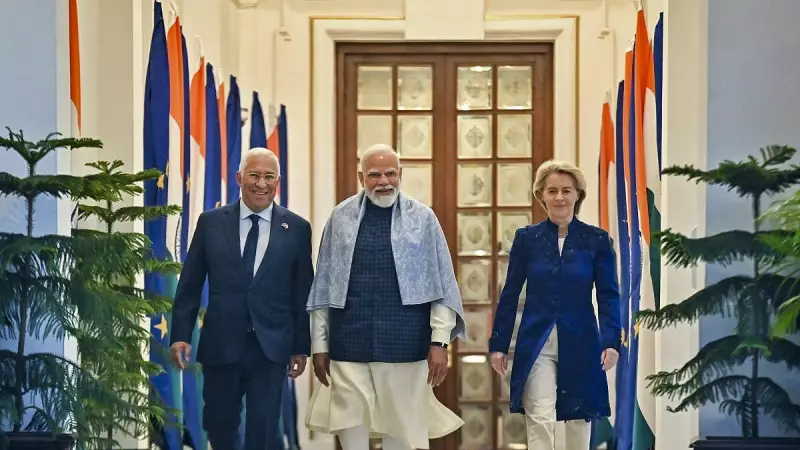
In a monumental development for global commerce, India and the European Union have officially inked a comprehensive free trade agreement, heralded as a transformative pact that will reshape bilateral trade relations. The deal, often referred to as the 'mother of all deals' due to its sweeping scope, marks a significant milestone in India's economic diplomacy and its integration into the world economy.
Unprecedented Trade Opening by India
According to official statements from the European Union, this agreement represents the most ambitious trade opening that India has ever granted to any partner nation. This underscores the strategic importance both sides place on deepening economic ties and fostering mutual growth. The pact is expected to unlock new avenues for trade and investment, benefiting businesses and consumers across both regions.
Key Tariff Changes and Impact on Goods
The agreement will bring about substantial changes in tariffs on a wide array of products, facilitating easier market access and potentially lowering costs. Here are some of the notable sectors affected:

- European Cars: Tariffs on imported European automobiles are set to be reduced or eliminated, making luxury and standard vehicles more accessible to Indian consumers and boosting the automotive industry.
- Aircraft and Aerospace: The deal includes provisions for aircraft and related components, which could enhance India's aviation sector through increased imports and technological collaborations.
- Food Products like Pasta: Tariffs on European food items, including pasta, will see adjustments, potentially leading to a greater variety of gourmet and everyday food options in Indian markets.
These changes are part of a broader effort to streamline trade barriers and promote a more fluid exchange of goods and services between India and the EU.
Broader Economic and Strategic Implications
Beyond the immediate tariff adjustments, this free trade agreement is poised to have far-reaching implications. It is expected to:
- Boost bilateral trade volumes, contributing to economic growth and job creation in both India and the European Union.
- Enhance India's position as a key player in global trade negotiations, setting a precedent for future agreements with other major economies.
- Foster innovation and competitiveness by encouraging cross-border investments and partnerships in sectors like technology, manufacturing, and agriculture.
The signing of this deal comes at a critical juncture, as nations worldwide seek to recover from economic challenges and build resilient supply chains. It reflects a shared commitment to open markets and cooperative international relations.
As details of the agreement continue to emerge, stakeholders from various industries are closely monitoring the implementation timeline and specific provisions to capitalize on the new opportunities. This landmark pact not only strengthens the India-EU partnership but also signals a new era of economic collaboration that could influence global trade dynamics for years to come.