India Explores Alternative Fertilizer Sources Amid West Asia Conflict
In response to the ongoing conflict in West Asia, India is proactively exploring alternative destinations for fertilizer imports to safeguard its agricultural sector. This strategic move aims to mitigate potential disruptions in the supply chain, which could impact crop yields and food security. The government is intensifying efforts to diversify sources, ensuring a steady flow of essential nutrients for farmers across the country.
Agricultural Commissioner Highlights Urgency
The Agricultural Commissioner has emphasized the urgency of this initiative, noting that a prolonged conflict in West Asia could severely affect India's fertilizer supplies. By identifying and securing new trade partners, India seeks to reduce dependency on volatile regions and enhance resilience against geopolitical uncertainties. This approach is part of a broader strategy to maintain agricultural productivity and support the livelihoods of millions of farmers.
Potential Alternative Destinations
India is evaluating several potential alternative destinations for fertilizer imports, including countries in Africa, Southeast Asia, and Latin America. These regions offer promising opportunities for stable and cost-effective supplies. The government is engaging in diplomatic talks and trade negotiations to establish robust agreements, ensuring that imports meet quality standards and are delivered on time.

- Geopolitical stability of source countries
- Cost-effectiveness and affordability for farmers
- Logistical efficiency and transportation routes
- Environmental and sustainability standards
Impact on Indian Agriculture
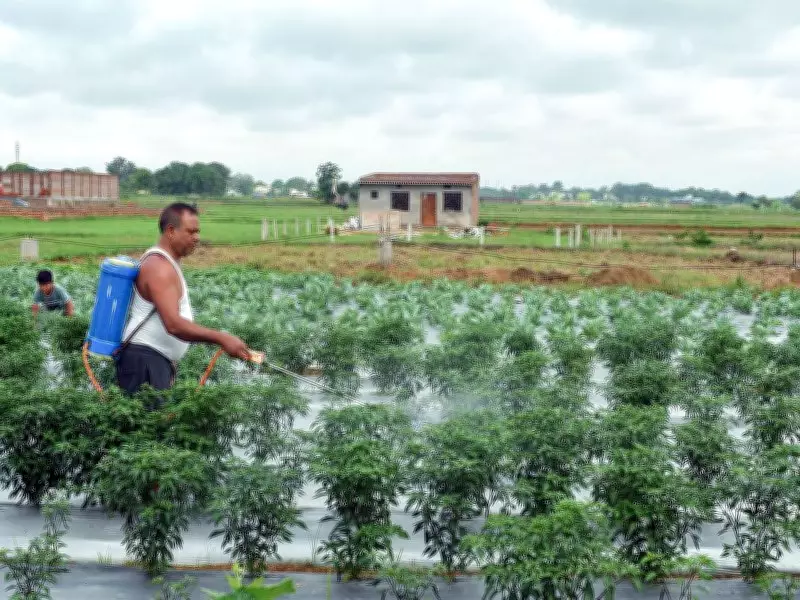
The exploration of alternative fertilizer sources is crucial for India's agricultural landscape, which relies heavily on imports to meet domestic demand. Any disruption could lead to shortages, increased prices, and reduced crop yields, affecting both farmers and consumers. By diversifying supply chains, India aims to prevent such scenarios and ensure continuous access to fertilizers, supporting food production and economic growth.
Long-Term Strategic BenefitsBeyond immediate risk mitigation, this initiative offers long-term strategic benefits. It encourages innovation in fertilizer production and distribution within India, potentially reducing import dependency over time. Additionally, it strengthens India's position in global trade networks, fostering partnerships that can support other agricultural and economic objectives.
Government and Industry Collaboration
The success of this effort depends on close collaboration between the government and industry stakeholders. Farmers' associations, fertilizer manufacturers, and logistics providers are being consulted to address challenges and optimize the transition to new sources. This collaborative approach ensures that policies are practical and aligned with the needs of the agricultural community.
Steps Being Taken- Conducting market research on potential suppliers
- Negotiating trade agreements with alternative countries
- Investing in infrastructure to handle new import routes
- Monitoring global conflict developments for adaptive planning
In conclusion, India's proactive exploration of alternative fertilizer destinations reflects a commitment to agricultural stability amid global uncertainties. By diversifying imports and strengthening supply chains, the country is taking decisive steps to protect its farmers and ensure food security for the future.