

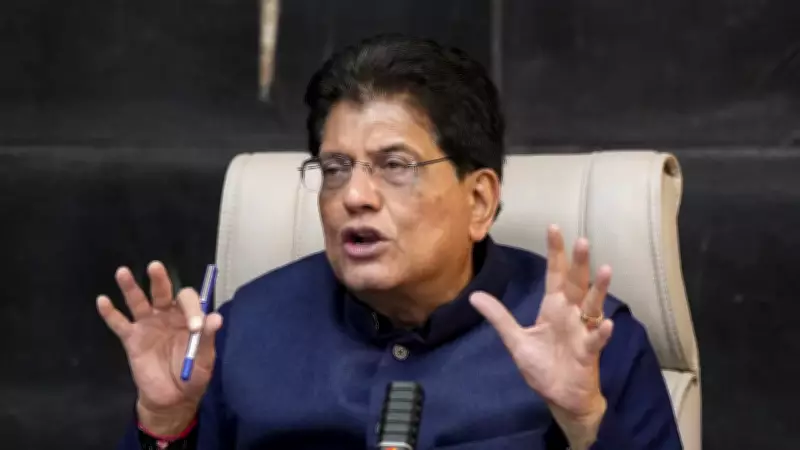
India Aggressively Pursues Farm Exports in US Trade Deal, Says Piyush Goyal
Commerce and Industry Minister Piyush Goyal declared on Sunday that the Indian government has taken an assertive stance to advance the farm sector's interests in the ongoing trade negotiations with the United States. Simultaneously, the government has been vigilant in safeguarding sensitive areas such as dairy and agriculture from potential adverse impacts.
Balancing Offensive and Defensive Trade Interests
In an exclusive interview with TOI, Goyal emphasized the strategic approach adopted by India. "We have $30-odd billion of imports. The important thing is we have $55 billion of exports of farm and fish produce. So, we should have an offensive interest, which is what we have focused on simultaneously along with protecting the sensitive sectors," he explained. This dual focus aims to maximize export opportunities while mitigating risks to domestic industries.
Key Benefits for Indian Exporters
The trade deal is poised to unlock significant advantages for several Indian agricultural products:

- Zero Reciprocal Tariffs: The United States has agreed to allow imports of tea, coffee, spices, and fruits at zero reciprocal tariffs, potentially boosting India's export volumes in these categories.
- Reduced Tariffs for Seafood: Seafood exporters will benefit from a substantial reduction in reciprocal tariffs, which have been slashed to 18%, enhancing their competitiveness in the US market.
Addressing Concerns Over Feed Imports
Goyal also addressed concerns regarding the import of distillers dried grains with solubles (DDGS), a feed ingredient derived from dry-milled ethanol production. He described these worries as "misplaced," clarifying that India has only opened a limited window for such imports.
While the minister refrained from disclosing specific details, officials revealed that against India's domestic animal feed consumption of 500 lakh tonnes, the quota offered to the US is merely five lakh tonnes. This minimal allocation is designed to meet the growing demand from the industry, driven by an increasing livestock population and the shrinking availability of arable land.
Industry-Driven Demand for Feed
The minister highlighted that the demand for DDGS imports originated from the industry itself. "The demand had come from the industry itself amid rising livestock population and growing requirement for feed, especially at a time when arable land is shrinking," Goyal noted. This underscores the pragmatic approach taken to balance domestic needs with international trade commitments.
Overall, the government's strategy in the US trade deal reflects a careful calibration of offensive export interests and defensive protections, aiming to foster growth in the agricultural sector while preserving its core sensitivities.






