

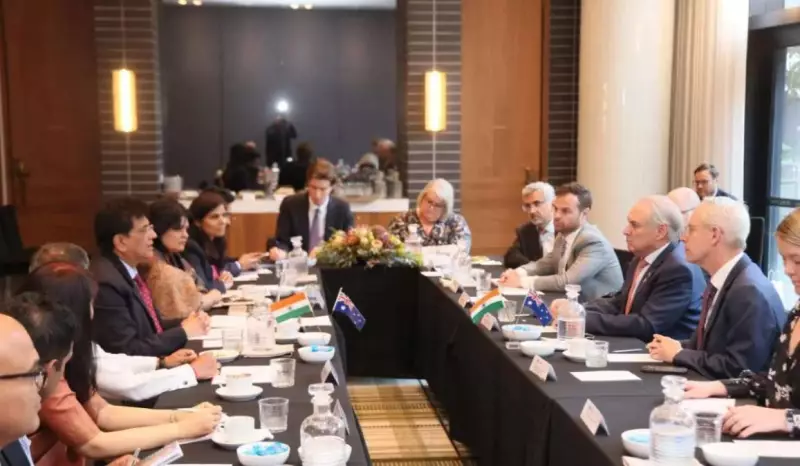
India is actively expanding its global trade footprint through advanced negotiations with three key nations: Australia, New Zealand, and Bahrain. This strategic move signals New Delhi's commitment to strengthening international economic partnerships and creating new opportunities for Indian businesses abroad.
Comprehensive Economic Partnership with Australia Advances
The India-Australia Comprehensive Economic Cooperation Agreement (CECA) has entered a crucial phase of negotiations. Both countries are working toward finalizing the agreement by early 2026, building upon the existing Economic Cooperation and Trade Agreement (ECTA) that was implemented in December 2022.
Trade Minister Piyush Goyal emphasized that these negotiations aim to address unresolved issues from the initial ECTA, particularly focusing on market access for agricultural products, dairy items, and certain services. The enhanced agreement is expected to provide significant benefits for Indian professionals in Australia while opening new markets for Indian goods.

New Zealand Free Trade Agreement Gains Momentum
Simultaneously, India has resumed free trade agreement talks with New Zealand after a prolonged hiatus. The negotiations cover critical areas including goods, services, investment, and intellectual property rights.
Both nations recognize the substantial potential for increased bilateral trade, particularly in sectors where India holds competitive advantages. The resumption of talks indicates a mutual desire to deepen economic ties and explore complementary trade opportunities that benefit both economies.
Bahrain Economic Partnership Agreement Under Discussion
India is also progressing toward an Economic Partnership Agreement with Bahrain, marking another significant step in strengthening ties with Gulf Cooperation Council nations. This agreement focuses on reducing trade barriers and enhancing cooperation in key sectors including information technology, pharmaceuticals, and renewable energy.
The Bahrain partnership holds particular importance for India's strategic interests in the Middle East and represents an opportunity to expand the country's economic influence in the region. Both nations have expressed optimism about concluding negotiations within a reasonable timeframe.
Strategic Implications for India's Global Trade Position
These simultaneous trade negotiations demonstrate India's proactive approach to international economic diplomacy. The government is pursuing a multi-pronged strategy to integrate more deeply with global value chains while protecting domestic interests.
The timing of these agreements coincides with India's broader economic objectives, including achieving $2 trillion in exports by 2030 and positioning itself as a reliable alternative in global supply chains. The diverse geographic spread of these partnerships—spanning Oceania and the Middle East—reflects India's comprehensive approach to trade diversification.
Industry experts have welcomed these developments, noting that successful implementation of these agreements could create substantial employment opportunities in India while providing consumers with access to high-quality imported goods at competitive prices. The government continues to engage with domestic stakeholders to ensure these trade deals balance market access with protection for sensitive sectors.






