

India Poised for Major Boost in US Market as Tariffs Slashed to 18%
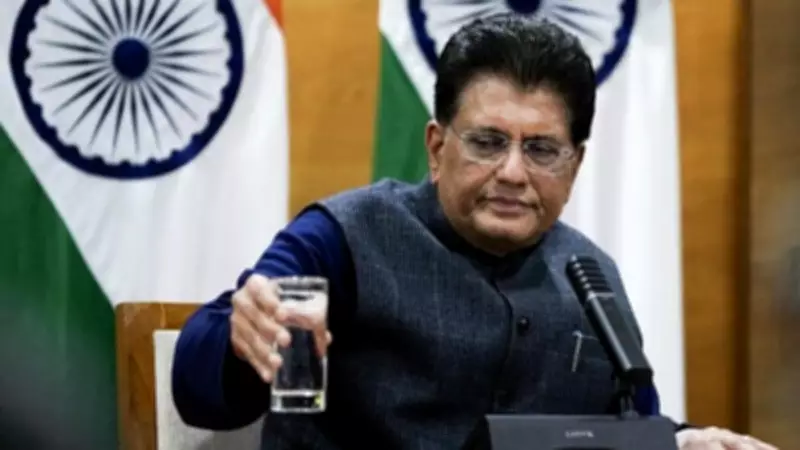
In a significant development for international trade, Commerce and Industry Minister Piyush Goyal has announced that Indian goods are set to gain a substantial competitive advantage in the United States market. This follows a strategic reduction in tariffs to 18%, a move that directly enhances the price competitiveness of Indian exports against major rivals, including China and other nations.
Strategic Tariff Reduction to Fuel Export Growth
The tariff cut, confirmed by Minister Goyal, is expected to create a more favorable trading environment for India. By lowering the tariff rate to 18%, Indian products will become more affordably priced for American consumers and businesses. This policy shift is designed to stimulate export growth and strengthen India's economic ties with the US, one of its largest trading partners.
This reduction is particularly impactful for labor-intensive sectors, which are crucial for employment and economic development in India. Industries such as textiles, leather and footwear, handicrafts, chemicals, and gems and jewellery are anticipated to benefit immensely. With lower tariffs, these goods will be priced more competitively compared to similar products from China and other exporting countries, potentially increasing India's market share in the US.

Key Sectors Set to Thrive with Enhanced Competitiveness
The announcement highlights several sectors that stand to gain from this tariff adjustment:
- Textiles: A traditional strength for India, this sector could see a surge in demand as cost advantages improve.
- Leather and Footwear: Known for quality craftsmanship, these products may attract more US buyers with better pricing.
- Handicrafts: Unique Indian artisanship could become more accessible to American markets.
- Chemicals: Industrial and specialty chemicals may find increased opportunities in US supply chains.
- Gems and Jewellery: A high-value export, this sector could expand its presence with reduced tariff barriers.
This move aligns with broader efforts to boost India's export performance and reduce trade deficits. By making Indian goods more attractive in the US, it could lead to increased foreign exchange earnings and job creation domestically. The timing is strategic, as global supply chains continue to evolve, and countries seek diversified sourcing options beyond traditional hubs like China.
Minister Goyal's statement underscores the government's proactive approach to trade policy, aiming to capitalize on international opportunities. As the global economy navigates uncertainties, such tariff reductions could position India as a reliable and cost-effective partner for US imports, fostering long-term economic growth and bilateral cooperation.






