

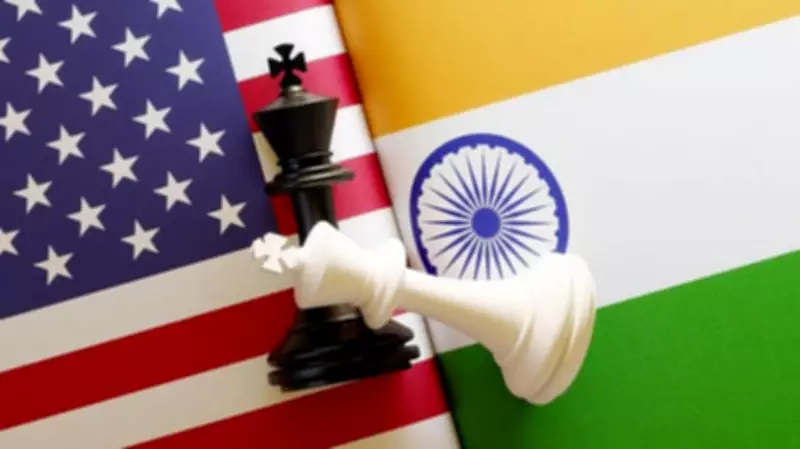
India's Manufacturing and Export Sectors Experience Major Boost Following US Tariff Reductions
India's economic landscape has received a substantial uplift as manufacturing activities and export figures show remarkable improvement following recent tariff reductions implemented by the United States. This development marks a significant turning point for India's industrial sector and international trade relationships.
Immediate Impact on Manufacturing and Export Performance
The reduction in US tariffs has created immediate opportunities for Indian manufacturers across various sectors. Export-oriented industries have particularly benefited from this policy shift, experiencing increased demand and improved competitiveness in international markets. This positive trend is evident across multiple manufacturing segments, including textiles, pharmaceuticals, automotive components, and electronics.
Industry analysts report that manufacturing output has shown measurable growth since the tariff adjustments took effect. The improved access to US markets has enabled Indian exporters to expand their customer base and increase shipment volumes, contributing to stronger export performance metrics across the board.

Long-Term Economic Benefits and Stability Projections
Beyond the immediate manufacturing and export gains, economists project substantial long-term benefits for India's broader economic framework. The enhanced trade relationship with the United States is expected to yield multiple advantages over the coming years:
- Current Account Deficit Reduction: The increased export revenues and improved trade balance are anticipated to help narrow India's current account deficit significantly.
- Rupee Stabilization: The stronger export performance and improved foreign exchange inflows are projected to contribute to greater stability for the Indian rupee against major global currencies.
- Reduced Economic Vulnerability: By diversifying and strengthening export markets, India's economy becomes less susceptible to global economic shocks and fluctuations.
- Enhanced Industrial Competitiveness: The tariff reductions encourage Indian manufacturers to improve quality standards and production efficiency to maintain their competitive edge in international markets.
Sector-Wide Implications and Future Outlook
The tariff adjustments have created ripple effects across India's economic ecosystem. Small and medium enterprises engaged in export activities have reported increased order volumes and improved profit margins. Meanwhile, larger manufacturing corporations are exploring expansion opportunities and considering investments in production capacity enhancement.
Trade experts emphasize that this development represents more than just a temporary boost. The structural improvements in India's manufacturing and export capabilities could establish a foundation for sustained economic growth. As global supply chains continue to evolve, India's position as a reliable manufacturing and export partner appears strengthened by these favorable trade conditions.
Government officials and industry leaders are monitoring the situation closely, with many expressing optimism about the long-term implications for India's economic resilience and global trade standing. The positive momentum in manufacturing and exports following the US tariff reductions suggests promising prospects for India's continued economic development and international trade relationships.






