

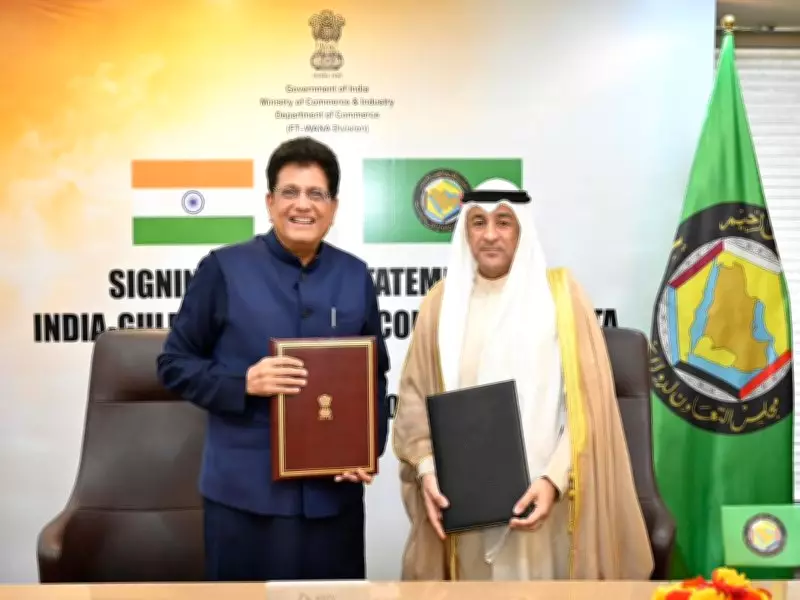
India and GCC Forge Ahead with Free Trade Agreement Negotiations
In a significant development for international trade, India and the Gulf Cooperation Council (GCC) have signed a joint statement to formally launch negotiations for a comprehensive Free Trade Agreement (FTA). This move marks a pivotal step in strengthening economic and diplomatic relations between India and the six-member GCC bloc, which includes Bahrain, Kuwait, Oman, Qatar, Saudi Arabia, and the United Arab Emirates.
Strategic Economic Partnership
The joint statement underscores the mutual commitment to enhancing bilateral trade and investment flows. Both parties have expressed a strong desire to create a robust framework that will facilitate smoother market access, reduce tariffs, and address non-tariff barriers. The negotiations are expected to cover a wide range of sectors, including energy, technology, pharmaceuticals, and services, reflecting the diverse economic interests of the regions.
This initiative is poised to significantly boost trade volumes, which currently stand at substantial levels but have the potential for exponential growth. India's exports to the GCC include gems and jewelry, machinery, and agricultural products, while imports primarily consist of crude oil and natural gas. The FTA aims to diversify this trade basket and foster greater economic integration.

Implications for Global Trade
The launch of FTA negotiations comes at a time when global trade dynamics are evolving rapidly. By forging closer ties, India and the GCC seek to leverage their strategic positions to enhance competitiveness in the international market. The agreement is anticipated to not only boost bilateral trade but also attract increased foreign direct investment, creating new opportunities for businesses and consumers alike.
Key areas of focus in the negotiations will include:
- Tariff reductions and elimination on a wide array of goods
- Streamlining customs procedures to expedite trade
- Enhancing cooperation in digital trade and e-commerce
- Addressing intellectual property rights and regulatory standards
Future Prospects and Challenges
While the joint statement sets a positive tone, the negotiations are expected to be complex, given the diverse economic structures and priorities of the involved nations. Both sides will need to navigate sensitive issues such as labor mobility, environmental standards, and dispute resolution mechanisms. However, the shared goal of economic prosperity and regional stability is likely to drive the process forward.
Experts believe that a successful FTA could serve as a model for other regional trade agreements, contributing to broader economic integration in Asia and the Middle East. The outcome of these negotiations will be closely watched by global stakeholders, as it has the potential to reshape trade patterns and foster sustainable growth.
In conclusion, the signing of the joint statement by India and the GCC to launch FTA negotiations represents a landmark moment in their bilateral relations. It highlights a forward-looking approach to economic collaboration, with the promise of unlocking new avenues for trade and investment in the years to come.






