India Maintained Strategic Composure Under US Trade Pressure, Says CSIS Expert
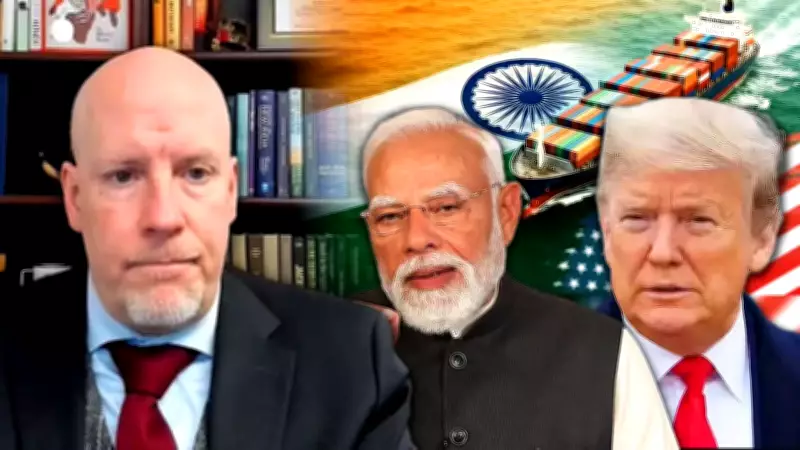
In a detailed analysis of the recently concluded India-US trade agreement, Richard Rossow, Senior Advisor at the Center for Strategic and International Studies (CSIS), highlighted how India demonstrated remarkable calm and strategic foresight during negotiations. Speaking from Washington DC, Rossow emphasized that the pact represents a balanced outcome with significant concessions from both nations, reflecting a mature diplomatic approach from New Delhi despite considerable external pressure.
Mutual Concessions Define the Trade Agreement
Rossow pointed out that the United States has successfully secured enhanced access to Indian markets through the reduction of non-tariff barriers, which have historically hindered American exports. In return, Washington has agreed to roll back the majority of its tariffs on Indian goods, creating a more favorable trading environment for Indian exporters. This reciprocal arrangement underscores the pragmatic nature of the agreement, where both countries have made calculated compromises to achieve a mutually beneficial outcome.
Understanding on $500 Billion American Product Purchases
A notable aspect of the agreement, according to Rossow, is the informal understanding for India to purchase American products worth approximately $500 billion. However, he cautioned that the specific scope and timeline for these purchases remain ambiguous and subject to further negotiation. This element of the deal highlights the ongoing nature of trade relations between the two nations, with future discussions likely to shape the implementation of this substantial commitment.

India's Strategic Adjustments on Russian Oil Imports
Addressing the contentious issue of India's sourcing of Russian oil, Rossow noted that New Delhi has a history of adjusting its energy import strategies when confronted with firm pressure from the United States. He observed that India has previously demonstrated flexibility in its energy policies, suggesting that similar adjustments could occur in the current context. This historical perspective indicates India's ability to navigate complex geopolitical dynamics while safeguarding its national interests.
US Remains India's Key Export Destination
Rossow reinforced the importance of the United States as India's most crucial export destination, a factor that significantly influenced the trade negotiations. He explained that the trade deal mirrors similar arrangements India has established with other international partners, making it a logical and worthwhile agreement for both leaderships to finalize. This alignment with existing trade frameworks suggests a consistent and strategic approach by India in its global economic engagements.
The expert's analysis concludes that the India-US trade agreement is not merely a transactional pact but a reflection of deeper strategic calculations. India's ability to remain composed under pressure, coupled with its willingness to engage in reciprocal concessions, has paved the way for a durable and beneficial trade relationship with the United States.