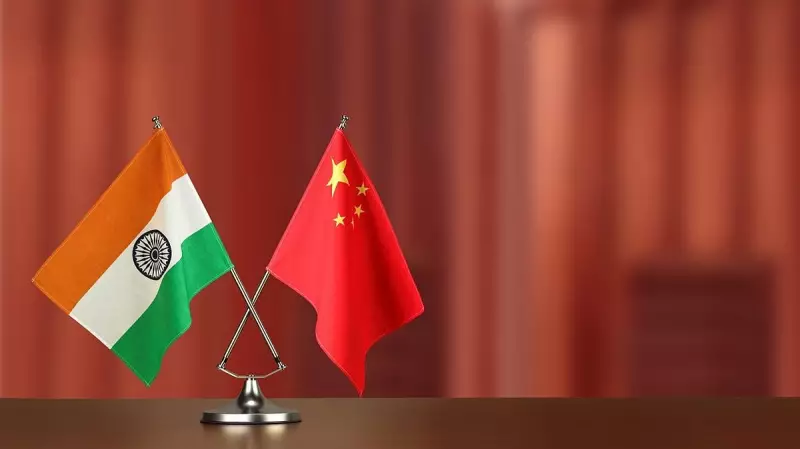
In a significant potential shift in economic policy, the Indian government is reportedly planning to scrap restrictive measures that have effectively barred companies from China from participating in its vast government procurement projects. This move could reopen access to contracts estimated to be worth a staggering $700 billion to $750 billion.
Reversing a Major Economic Barrier
The restrictions, initially put in place amid heightened border tensions and national security concerns, created a substantial barrier for Chinese enterprises looking to compete in India's booming infrastructure and development sector. These measures meant that Chinese firms, often leaders in areas like telecom, power, and construction, were sidelined from one of the world's largest public procurement markets.
According to reports emerging on January 8, 2026, authorities are now considering a reversal of this policy. The decision, if finalized, would mark a notable thaw in the economic dimension of the complex India-China relationship. It suggests a pragmatic reassessment, potentially driven by the need for competitive bidding, advanced technology, and cost-effectiveness in executing critical national projects.

Implications for Infrastructure and Trade
The scale of the opportunity is immense. The government contract pipeline, valued at three-quarters of a trillion dollars, spans sectors from highways and railways to smart cities and digital infrastructure. Allowing Chinese bidders back into this space could introduce more competition, potentially lowering costs and accelerating project timelines.
However, this prospective policy change is likely to be met with careful scrutiny. Analysts expect any reopening to come with stringent conditions and enhanced oversight mechanisms to address persistent security apprehensions. The government may implement stricter compliance checks, data localization rules, and partnership requirements with Indian entities.
A Calculated Move in Bilateral Relations
This development is more than just an economic adjustment; it's a strategic signal. It indicates a possible effort to de-escalate trade tensions and foster a more stable bilateral environment, even as geopolitical challenges remain. The move could be seen as an attempt to balance national security priorities with the practical demands of economic growth and infrastructure development.
The final decision and its implementing framework will be closely watched by industry stakeholders globally. If enacted, it would significantly alter the competitive landscape for government contracts in India, offering new opportunities for Chinese corporations while posing fresh challenges for domestic and other international firms vying for the same projects.