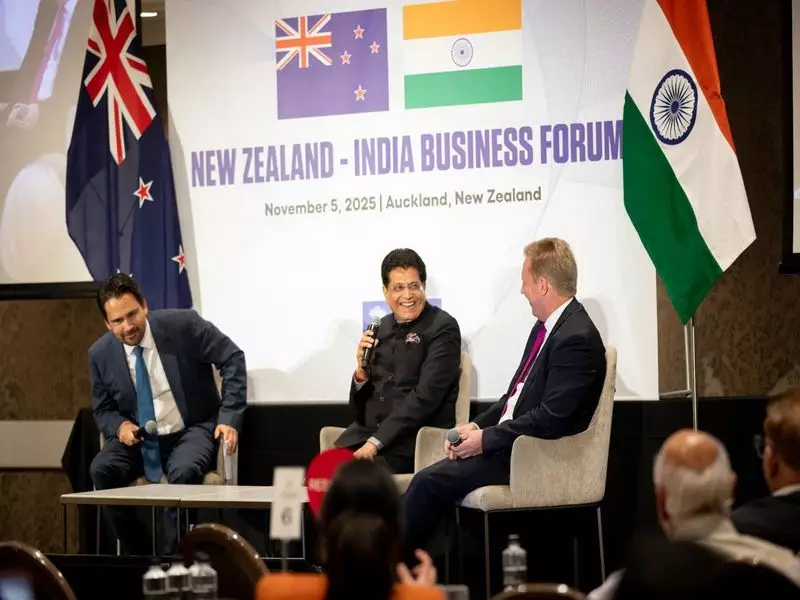
India and New Zealand have successfully wrapped up their fourth round of negotiations for a comprehensive Free Trade Agreement (FTA), marking a significant milestone in strengthening economic ties between the two nations. The latest round of talks concluded on Friday, demonstrating positive momentum toward finalizing a deal that could substantially boost bilateral trade and investment flows.
Key Outcomes of the Fourth Round
The fourth round of FTA negotiations saw detailed discussions across multiple crucial areas that form the backbone of the proposed trade agreement. Both countries engaged in productive dialogues covering goods, services, investment, and other key aspects of the proposed pact. The negotiations were characterized by a constructive atmosphere, with both sides showing flexibility and willingness to understand each other's perspectives and requirements.
According to official sources, the talks progressed substantially on several fronts, including market access for goods, trade in services, and investment regulations. The discussions also covered important contemporary trade issues such as digital trade and sustainable development, reflecting the comprehensive nature of the proposed agreement that aims to address 21st-century economic challenges.

Progress and Next Steps
The successful conclusion of this round builds upon the positive momentum generated during previous negotiation sessions. Both nations have agreed to continue their engagement and work toward resolving outstanding issues in subsequent rounds of talks. The negotiators have been directed to maintain the current pace of discussions and identify concrete pathways to address the remaining concerns of both parties.
Officials from both sides expressed satisfaction with the progress made during this round and emphasized their commitment to achieving a balanced and mutually beneficial outcome. The negotiations are being closely monitored at the highest levels of both governments, underscoring the strategic importance of this trade partnership for both India and New Zealand.
Strategic Importance of the India-New Zealand FTA
The proposed Free Trade Agreement between India and New Zealand holds significant strategic importance for both economies. For India, this agreement represents an opportunity to deepen economic engagement with a developed economy in the Asia-Pacific region while creating new market access opportunities for Indian goods and services. New Zealand, on the other hand, sees India as a crucial emerging market with substantial growth potential.
The timing of these negotiations is particularly significant as both countries seek to diversify their trade relationships and build more resilient supply chains in the post-pandemic era. The agreement is expected to cover a wide range of sectors including agriculture, dairy products, pharmaceuticals, information technology, and education services - areas where both countries have complementary strengths and interests.
As the world economy faces uncertainties and challenges, the India-New Zealand FTA could serve as a stabilizing factor for both nations' external trade sectors. The successful conclusion of these talks would not only boost bilateral trade but also send a positive signal about both countries' commitment to open and rules-based international trade.
With the fourth round successfully concluded, attention now turns to the next phase of negotiations where both countries will work toward bridging remaining gaps and finalizing the agreement text. The continued progress in these talks demonstrates the shared commitment of India and New Zealand to building a stronger economic partnership that benefits both nations and their citizens.