

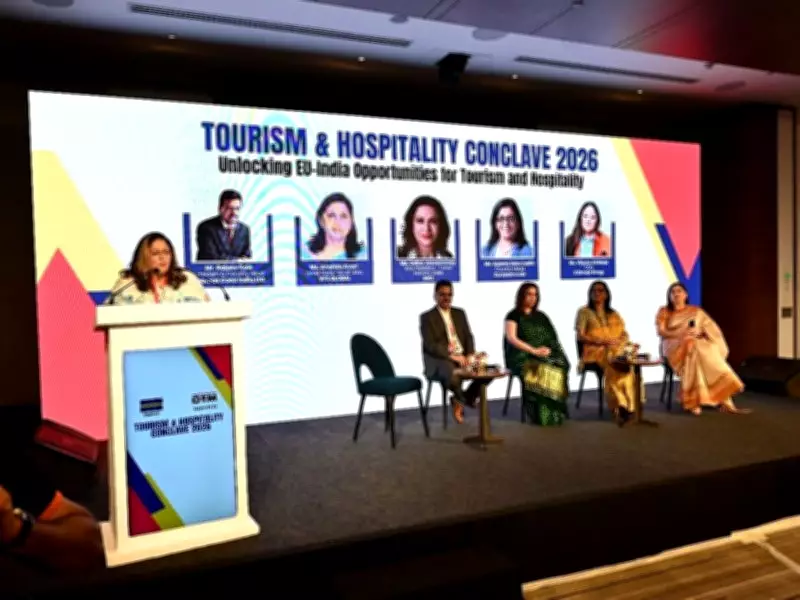
EU Chambers Tourism Conclave in Mumbai Declares India Beyond Third World Status
In a significant address at the EU Chambers Tourism Conclave held in Mumbai, Vijayta Raheja, a prominent figure in the event, emphatically stated that India has transcended its historical label as a third world nation. This declaration underscores the country's remarkable economic transformation and burgeoning global influence, particularly in the tourism sector.
Economic Growth and Global Recognition
The conclave, organized by the European Union Chambers, served as a platform to discuss India's evolving economic landscape and its implications for international tourism. Raheja highlighted that India's rapid development, driven by robust GDP growth, technological advancements, and infrastructural improvements, has repositioned it as a key player on the world stage. She emphasized that such progress challenges outdated perceptions and invites increased investment and collaboration from European nations.
Tourism Sector as a Catalyst for Change
During the event, discussions focused on how India's tourism industry is benefiting from this new status. Key points included:

- Enhanced Infrastructure: Upgrades in airports, hotels, and transportation networks are making India more accessible and appealing to international tourists.
- Cultural and Heritage Appeal: India's rich history, diverse cultures, and UNESCO World Heritage sites are drawing visitors from across the globe.
- Economic Impact: Tourism is contributing significantly to job creation and foreign exchange earnings, bolstering the national economy.
Raheja noted that these factors collectively demonstrate India's shift from a developing to a developed nation in many respects, with tourism acting as a vital catalyst for this change.
Implications for EU-India Relations
The conclave also explored the broader implications for EU-India relations. By moving beyond the third world categorization, India is seen as a more equal partner in trade and diplomacy. This shift is expected to foster deeper ties in areas such as:
- Business Collaborations: Increased opportunities for joint ventures and investments in tourism and related sectors.
- Policy Dialogues: Enhanced discussions on sustainable tourism practices and regulatory frameworks.
- Cultural Exchanges: Greater promotion of bilateral tourism initiatives to boost mutual understanding and economic benefits.
Raheja's remarks at the Mumbai event signal a call to action for European stakeholders to recognize and engage with India's new economic reality.
Future Outlook and Challenges
While celebrating India's achievements, the conclave acknowledged ongoing challenges. These include the need for continued infrastructural development, environmental sustainability in tourism, and addressing regional disparities. However, the overall tone was optimistic, with participants agreeing that India's trajectory points toward sustained growth and increased global prominence.
In conclusion, the EU Chambers Tourism Conclave in Mumbai marked a pivotal moment in redefining India's global image. Vijayta Raheja's assertion that India is no longer a third world nation reflects a broader consensus on the country's economic ascent and its potential to shape the future of international tourism and beyond.






