The recently signed India-New Zealand Free Trade Agreement (FTA) has triggered concern across India’s apple-growing regions, with Himachal Pradesh emerging at the centre of the debate. Though projected as a calibrated trade liberalisation measure, the agreement is being viewed by growers as a fresh source of competitive pressure on an already vulnerable horticulture sector.
Growers Fear Influx of Cheaper Apples
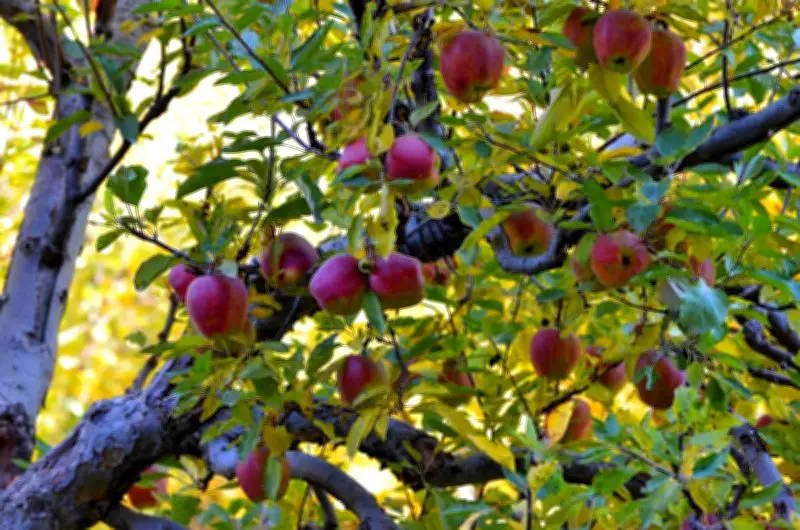
Apple growers in Himachal Pradesh, particularly in the districts of Shimla, Kullu, and Kinnaur, are alarmed by the potential influx of New Zealand apples at lower prices. The FTA is expected to reduce or eliminate tariffs on apple imports, making it easier for New Zealand producers to access the Indian market. This could undercut local growers who already face challenges such as rising production costs, erratic weather patterns, and limited market access.
Impact on Local Economy
The apple industry is a cornerstone of Himachal's economy, supporting thousands of families and contributing significantly to the state's GDP. Any disruption in this sector could have cascading effects on employment, rural incomes, and the overall economic stability of the region. Growers argue that the FTA fails to account for the structural disadvantages faced by Indian horticulture, including fragmented landholdings, lack of cold storage facilities, and inefficient supply chains.

Government Response
In response to the growing unrest, the Himachal Pradesh government has sought assurances from the central government that the interests of local farmers will be protected. Officials have proposed measures such as higher quality standards for imported apples, support for export-oriented production, and investment in post-harvest infrastructure. However, growers remain sceptical, citing past trade agreements that have hurt domestic agriculture.
Call for Safeguards
Industry bodies and farmer unions are demanding safeguard clauses in the FTA to allow temporary tariff increases if imports surge. They also urge the government to expedite the implementation of the National Horticulture Mission and provide direct income support to affected farmers. Without such measures, they warn, the apple belt of Himachal could face a severe economic crisis.
The debate over the India-New Zealand FTA highlights the broader tensions between trade liberalisation and the protection of vulnerable sectors. As negotiations continue, all eyes are on the government’s next steps to balance global trade commitments with the livelihoods of millions of small farmers.