

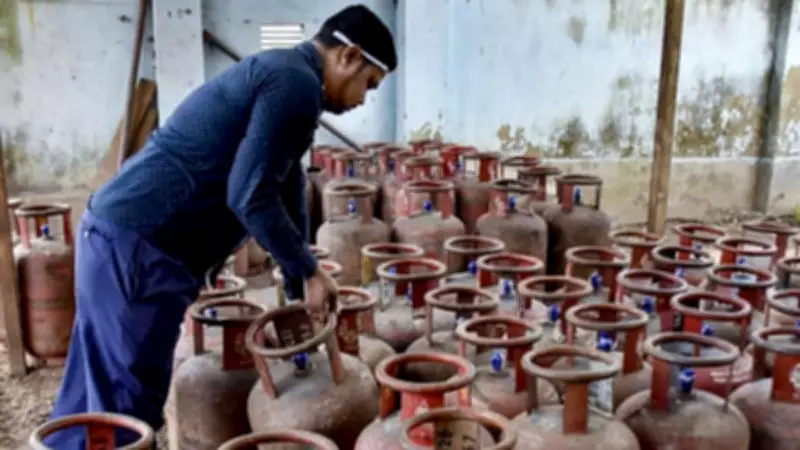
India Declines Proposed Crude-for-LPG Swap Agreement with Japan
In a significant development in international energy diplomacy, an Indian official has confirmed that India will not proceed with a proposed crude oil-for-liquefied petroleum gas (LPG) swap deal with Japan. This decision underscores India's strategic approach to managing its energy resources and trade partnerships.
Details of the Rejected Proposal
The proposed swap deal would have involved India exchanging its crude oil reserves for LPG supplies from Japan. Such arrangements are sometimes explored by nations to optimize their energy portfolios and ensure stable access to essential fuels. However, after careful evaluation, Indian authorities determined that this particular agreement did not align with the country's current energy security objectives or economic interests.
The official stated that India prefers to maintain its crude oil exports through existing channels and focus on domestic LPG production and imports from traditional suppliers. This move is seen as part of a broader strategy to enhance self-reliance in the energy sector, a key priority under various government initiatives.

Strategic and Economic Considerations
India's decision reflects several critical factors. Firstly, the country is actively working to reduce its dependence on imported energy by boosting domestic production and diversifying its supply sources. Secondly, the economic viability of the swap deal was questioned, with concerns about potential disruptions to established trade flows and pricing mechanisms.
"Our energy policy is designed to ensure long-term stability and affordability for our citizens," the official emphasized. "While we value our partnership with Japan, this specific proposal did not meet our strategic criteria."
India and Japan share a robust bilateral relationship, with collaborations spanning technology, infrastructure, and defense. This decision is not expected to negatively impact overall ties, as both nations continue to explore other areas of mutual benefit in the energy sector, such as renewable energy projects and technological exchanges.
Implications for India's Energy Landscape
By rejecting this swap deal, India reaffirms its commitment to a balanced energy strategy that prioritizes domestic capabilities and diversified international partnerships. The country remains one of the world's largest importers of crude oil and a significant consumer of LPG, used extensively for cooking and industrial purposes.
Key points from this development include:
- India will continue to export crude oil through its standard commercial agreements.
- LPG supplies will be sourced from existing partners and enhanced domestic production.
- The decision aligns with India's goals of energy security and economic resilience.
- Future collaborations with Japan may focus on alternative energy initiatives.
This announcement comes at a time when global energy markets are experiencing volatility due to geopolitical tensions and supply chain challenges. India's proactive stance aims to safeguard its interests while fostering sustainable growth in the energy domain.






