

India Welcomes Iranian Crude After Seven-Year Absence
In a significant development for global energy markets, Iranian crude oil has officially returned to Indian shores after a hiatus spanning seven full years. This landmark event marks a pivotal shift in bilateral trade relations and regional energy dynamics.
Key Tanker Docks at Strategic Gujarat Port
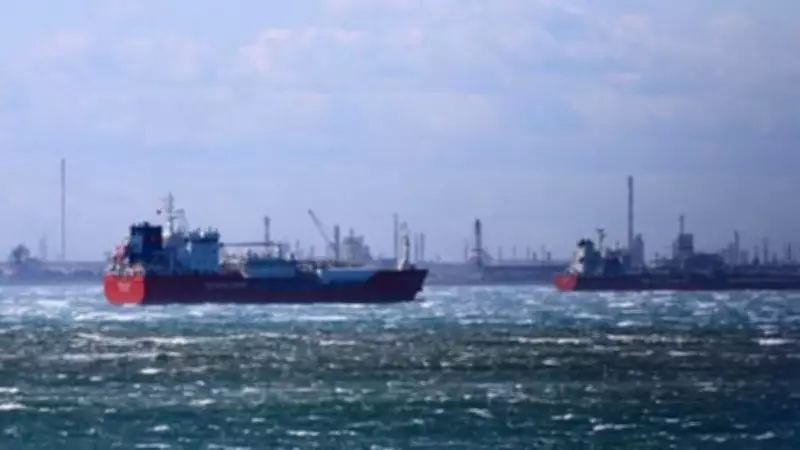
The vessel at the center of this historic resumption is the Felicity, a very large crude carrier (VLCC) operated by the National Iranian Tanker Company. This massive ship successfully anchored off the port of Sikka on the coast of Gujarat late on Sunday, April 12, 2026. Its arrival was closely monitored by industry observers and government officials alike.
The Felicity is reported to be carrying an impressive cargo of approximately 2 million barrels of Iranian crude oil. This substantial shipment was loaded at Iran's primary export terminal, Kharg Island, during the middle of March 2026. The loading and subsequent voyage underscore renewed logistical coordination between the two nations.

Context and Implications of the Resumed Trade
The return of Iranian oil to India concludes a prolonged period of disruption that began in 2019, when India, along with many other countries, halted imports due to international sanctions and geopolitical pressures. This seven-year gap had significant ramifications for India's energy diversification strategy and Iran's export revenues.
Analysts suggest that this development could have multiple implications:
- Enhanced Energy Security for India: Access to Iranian crude provides India with an additional, competitively priced source of oil, potentially reducing reliance on other suppliers.
- Economic Boost for Iran: The resumption of exports to a major market like India offers a vital economic lifeline for Iran's oil-dependent economy.
- Geopolitical Realignment: This move may signal shifting diplomatic alignments and a recalibration of trade relationships in the region.
The docking at Sikka, a key port operated by the private sector and crucial for handling crude imports, highlights the operational readiness of Indian infrastructure to accommodate such shipments. Port authorities have confirmed the vessel's arrival and are overseeing the offloading process, which is expected to proceed smoothly given existing protocols.
Looking Ahead: Future Prospects and Challenges
While this initial shipment is a positive step, the sustainability of Iranian oil imports into India will depend on several factors. These include ongoing international diplomatic developments, pricing mechanisms, and the ability of both nations to navigate complex regulatory environments. Industry experts are cautiously optimistic, noting that consistent flows could stabilize regional energy markets and foster stronger bilateral ties.
The return of Iranian crude after such a prolonged absence is not just a transactional event but a symbolic gesture of renewed engagement. It reflects India's pragmatic approach to energy procurement and Iran's persistent efforts to reintegrate into global oil trade networks. As the Felicity completes its delivery, stakeholders will be watching closely for subsequent shipments and the broader impact on global oil supply chains.






