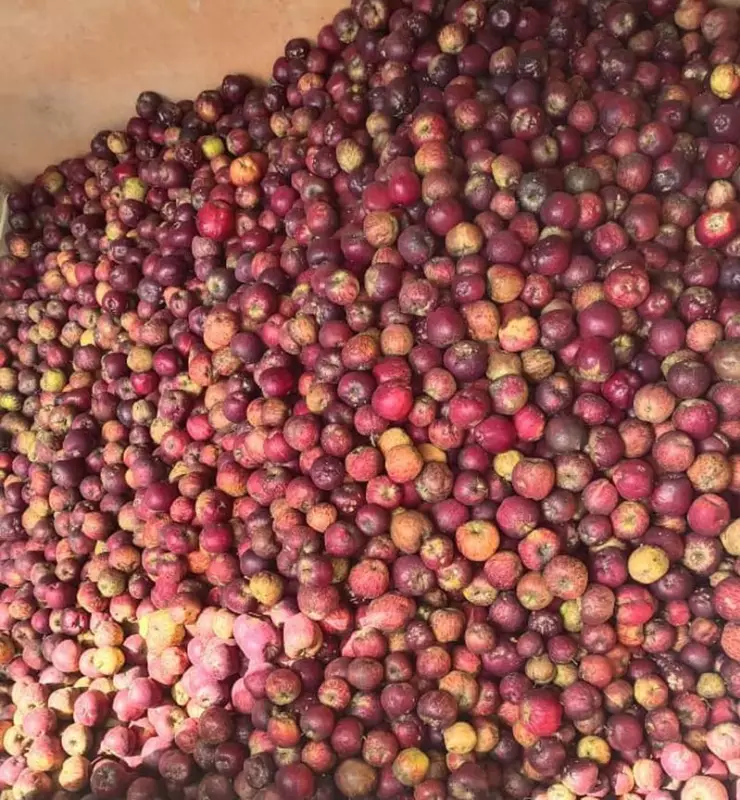
In a significant move for agricultural trade, the Indian government has assured that robust protective measures are firmly embedded within the newly concluded Free Trade Agreement (FTA) with New Zealand, specifically designed to shield domestic apple growers from potential market disruption. This development addresses long-standing concerns from farmers in key horticultural states.
Securing Farmer Interests in Trade Negotiations
Commerce Secretary Sunil Barthwal provided crucial clarity on the matter, confirming that all necessary safeguards to protect the interests of Indian apple farmers are fully incorporated into the agreement. The announcement comes after detailed negotiations where India prioritized its domestic agricultural sector. The government's stance underscores a careful balancing act between opening new markets for Indian exports and defending sensitive domestic industries from a surge in imports.
The primary concern revolved around the potential influx of apples from New Zealand, a major global producer known for varieties like the Royal Gala and Pacific Rose. Indian apple cultivation, particularly in states such as Himachal Pradesh, Jammu & Kashmir, and Uttarakhand, is a vital source of livelihood for thousands of farmers. The sector has previously voiced anxieties about competing with cheaper or subsidized imports under tariff-free regimes.

Details of the Protective Mechanism
While the exact technical details of the safeguard measures are part of the agreement's legal text, they are understood to include mechanisms that can be triggered if imports cross a certain threshold or cause demonstrable injury to local growers. These are standard trade remedies permitted under World Trade Organization (WTO) rules and are often integrated into FTAs for politically and economically sensitive items.
Such measures may involve:
- Tariff-rate quotas (TRQs): Where a limited quantity of apples can be imported at a lower or zero duty, but volumes beyond that limit attract the standard, higher customs duty.
- Seasonal safeguards: Allowing for temporary import restrictions during the peak Indian harvest season to ensure farmers get a fair price for their produce.
- Snapback clauses: Provisions that allow India to revert to the original, higher Most Favoured Nation (MFN) tariff rates if imports become disruptive.
The inclusion of these clauses represents a strategic win for Indian negotiators, who have consistently emphasized the protection of farmer welfare as a non-negotiable element in trade talks.
Broader Implications of the India-New Zealand FTA
The agreement, officially known as the India-New Zealand Economic Cooperation and Trade Agreement, marks a deepening of economic ties between the two nations. For New Zealand, it offers improved access to one of the world's largest consumer markets for its dairy products, fruits, and other agricultural goods. For India, the pact opens doors for exports in sectors like pharmaceuticals, apparel, textiles, and IT services.
The resolution of the apple issue was a critical milestone in finalizing the deal. By securing these safeguards, the Indian government aims to build confidence among its farming community while pursuing an ambitious trade agenda. It sets a potential precedent for how India will approach sensitive agricultural products in future trade negotiations with other major agricultural exporters.
Commerce Secretary Barthwal's affirmation is expected to assuage fears and provide political reassurance that the government's trade policy remains attuned to the needs of the agricultural sector. The successful navigation of this complex issue paves the way for the full implementation of the FTA, which promises to boost bilateral trade and investment flows between India and New Zealand in the coming years.