

India's Aviation Sector to Drive Massive Import Demand Under US Trade Pact
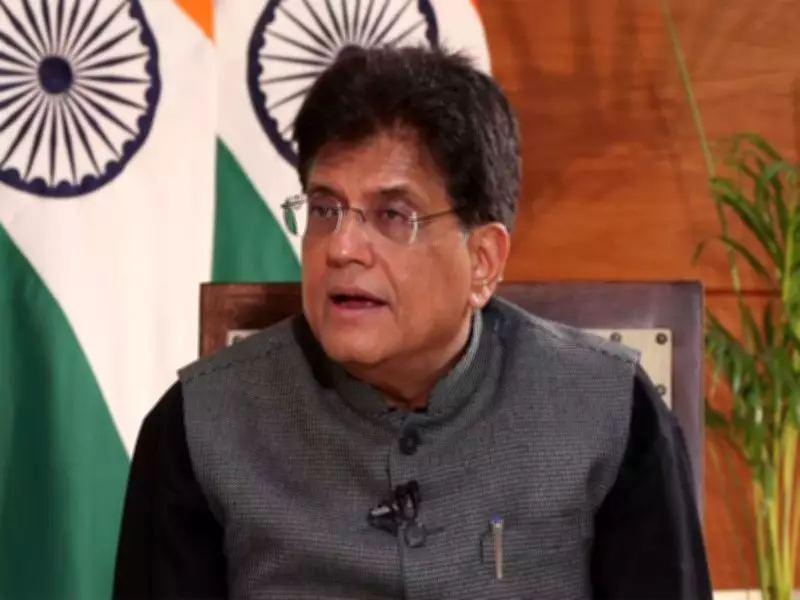
Commerce and Industry Minister Piyush Goyal has projected a substantial financial requirement for India's rapidly expanding civil aviation industry. In a significant statement regarding the ongoing India-US interim trade agreement, Goyal revealed that India will need to import civil aviation-related products worth nearly $80 to $100 billion in the coming years.
Strategic Focus on Aviation in Bilateral Trade
This announcement underscores the strategic importance of the aviation sector within the broader framework of India-US economic cooperation. The interim trade agreement, which is currently under negotiation, aims to enhance bilateral trade and investment flows between the two nations. Goyal's remarks highlight how this pact could specifically benefit American aerospace manufacturers and suppliers by opening access to one of the world's fastest-growing aviation markets.
The minister emphasized that India's burgeoning fleet expansion, airport modernization projects, and the overall growth in air passenger traffic are creating unprecedented demand for aircraft, engines, avionics, and maintenance equipment. This demand presents a lucrative opportunity for US companies to deepen their engagement with the Indian market.

Economic Implications and Market Dynamics
The projected import figure of $80-100 billion is not merely a statistic but a reflection of India's ambitious infrastructure and transportation goals. As the country continues to urbanize and its middle class expands, air travel is becoming increasingly accessible. This trend necessitates substantial investments in aviation infrastructure and technology, areas where the United States holds a competitive edge.
Goyal's statement serves as a clear signal to US trade negotiators and business leaders about the potential scale of collaboration. It aligns with India's broader economic strategy to modernize its transportation networks while fostering stronger trade ties with key global partners. The interim agreement is expected to address various trade barriers, potentially making it easier for US aviation products to enter the Indian market.
This development also points to a mutually beneficial economic relationship, where India gains access to cutting-edge aviation technology and the US secures a stable, high-value export destination. The commerce minister's projection is likely to influence the final contours of the trade deal, ensuring that aviation remains a cornerstone of the bilateral economic agenda.






